A Pre Purchase Check For A Used Family Car Checklist For First Time Readers
A practical step-by-step guide to a pre-purchase check for a used family car checklist for first-time readers, including preparation, instructions, common issues, tips, and next steps.
A Pre Purchase Check For A Used Family Car Checklist For First Time Readers
Buying a used family car is a big decision, and a thorough pre-purchase check helps you avoid costly surprises. This guide walks you through a practical, step-by-step inspection that covers the car's history, exterior, interior, mechanical health, safety features, and test drive. You'll learn what to look for, what to ask the seller, and how to spot common issues. By the end, you'll have a clear checklist to use when viewing any used car, helping you make a confident, informed choice for your family.
Fast Answer
- Check the car's history report, ownership records, and service log, then inspect the exterior and interior for signs of damage or wear.
- Test drive on varied roads, listen for strange noises, and have a trusted mechanic perform a pre-purchase inspection before you buy.
Before You Start
- Gather the vehicle identification number (VIN) from the seller and request a vehicle history report to check for accidents or title problems.
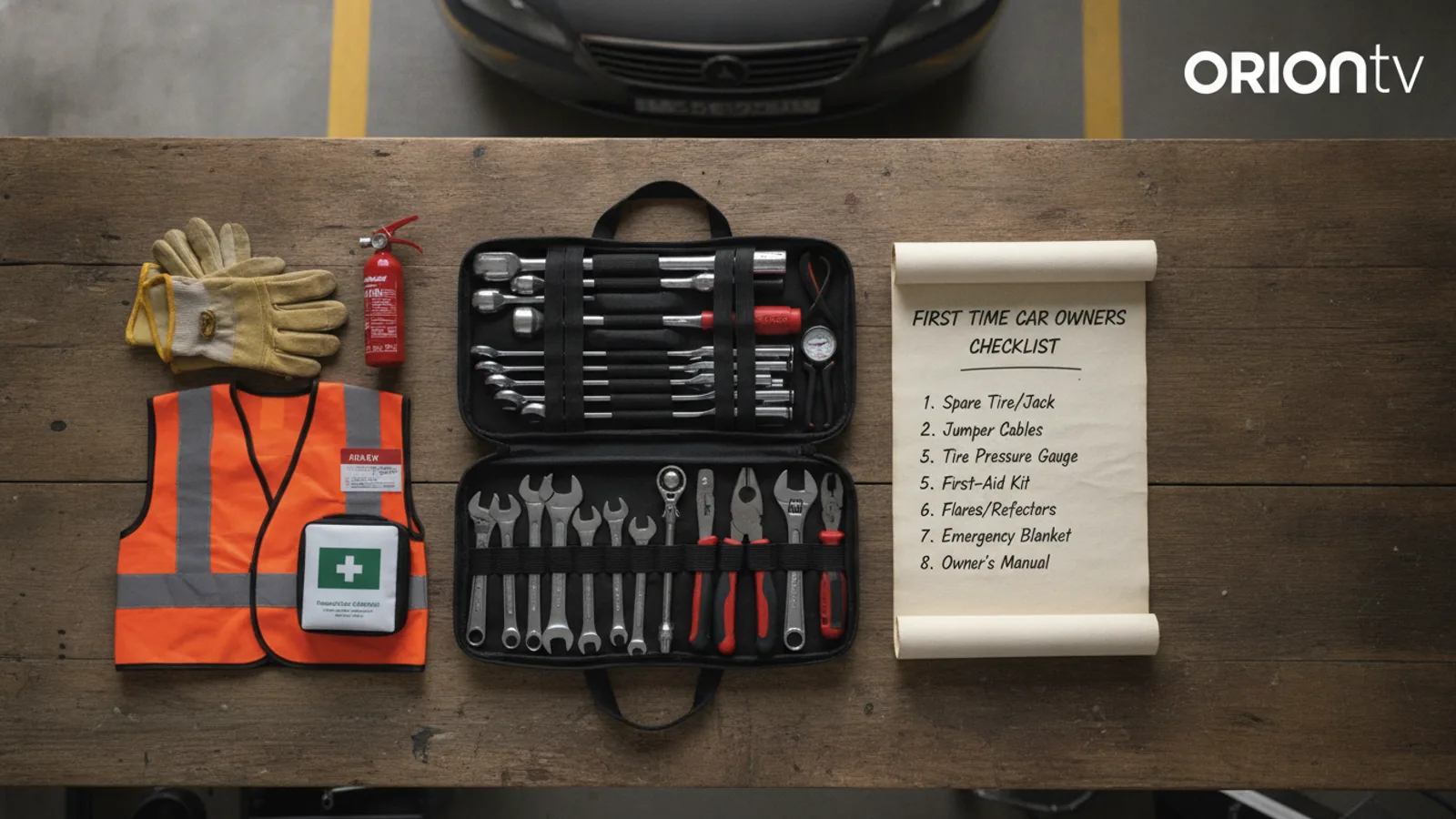
- Bring a high-powered flashlight, a small magnet, a tire tread depth gauge, and a smartphone to take photos and notes.
- Plan to view the car in daylight and, if possible, take a friend who knows about cars to help you spot issues.
- Know your family's specific needs, such as number of seats, trunk space, or fuel efficiency, so you can evaluate if the car fits.
Step-by-Step Instructions
Examine the Vehicle History and Documents
Begin by asking the seller for the vehicle identification number (VIN). Use it to get a vehicle history report from a reliable source. Look for any records of accidents, title brands like salvage or flood damage, odometer rollbacks, or multiple owners. Also ask to see the title and registration. Verify that the seller's name matches the name on the title, and check for any liens or outstanding loans. If the car has a service history, review it to ensure regular oil changes and maintenance. Pay attention to any gaps or missing records, as these could indicate neglect. This paperwork check gives you a clear picture of the car's past and helps you avoid major legal or financial issues. If the report shows a clean history, proceed to the physical inspection with more confidence, but remember that history reports are not always complete, so you still need to inspect the car carefully.
Inspect the Exterior and Body Condition
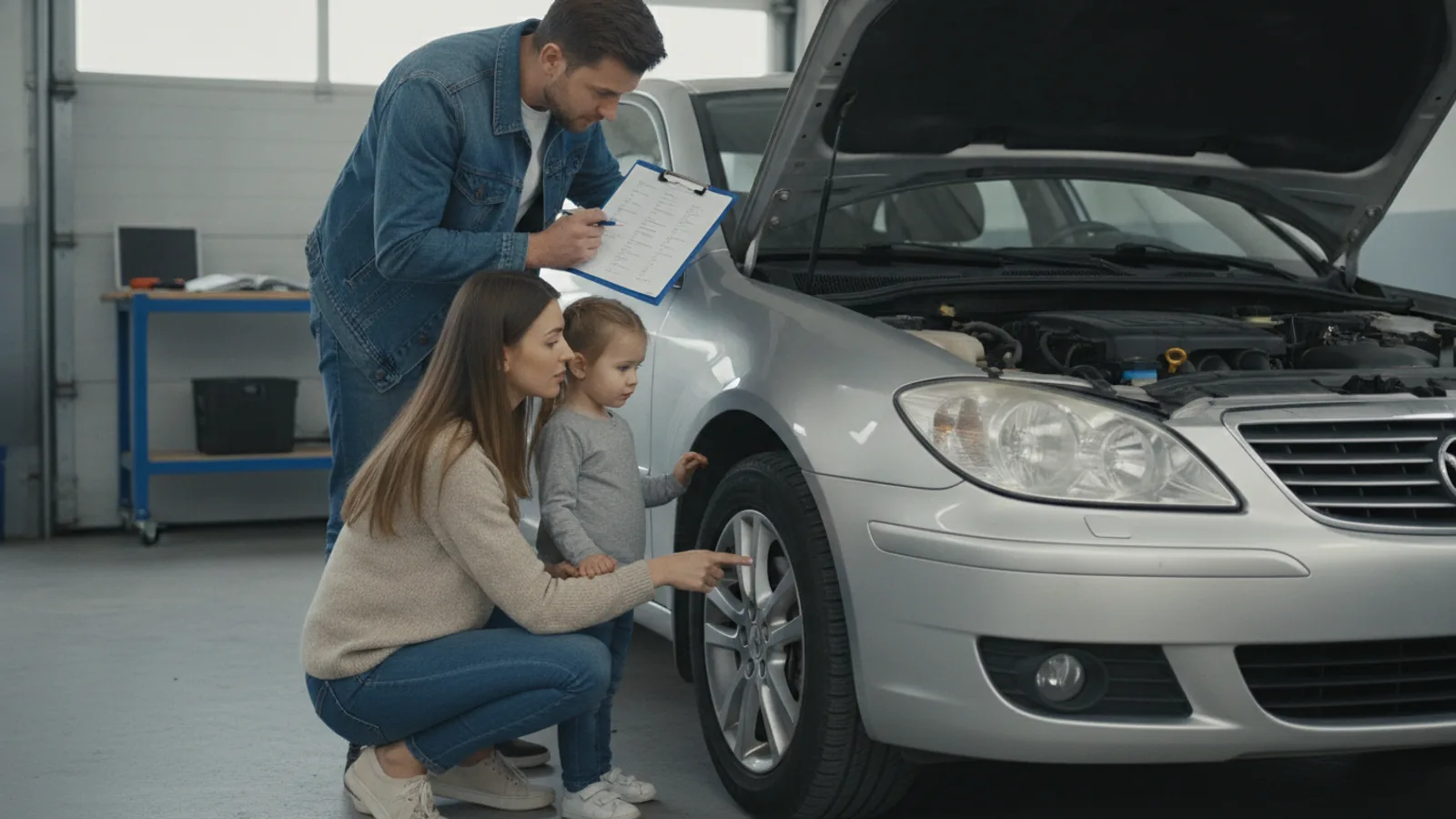
Walk around the car and look at every panel in good light. Check for dents, scratches, rust, and paint color mismatches. Use a small magnet to test if body panels are original; a magnet that doesn't stick strongly could indicate bondo or filler from previous repairs. Look at the gaps between panels; they should be even. Inspect the tires for uneven wear, which might suggest alignment or suspension issues. Check the tread depth and look for cracks or bulges. Open the hood and look for signs of rust, leaks, or corrosion. Also examine the undercarriage, but be careful—use a flashlight to look for excessive rust or damage. Pay attention to the condition of the headlights, taillights, and windows for cracks or moisture. This exterior inspection helps you identify previous repairs, potential rust problems, and safety hazards. If you find major rust or panel misalignment, warn the seller that these are concerns before moving on.
Evaluate the Interior and Essential Features
Open all doors, the trunk, and the hood. Sit in each seat and check the condition of the upholstery, seatbelts, and other controls. Look for rips, stains, and excessive wear that may indicate high mileage or poor care. Test all the windows, locks, mirrors, and the air conditioning and heating. Press the buttons for the infotainment system, windshield wipers, and lights. Notice any unusual smells, like mold, which could signal water damage. Check the trunk for spare tire, jack, and tools. Look at the odometer and compare it to the paperwork; a mismatch is a red flag. Inspect the seatbelt buckles and make sure they click securely. Check the floor mats and carpets for dampness or odors. This interior inspection ensures the car is comfortable, safe, and functional for your family. If multiple features fail, that may point to electrical or systemic issues.
Test the Engine, Fluids, and Key Systems
With the car off, check the engine oil, coolant, brake fluid, power steering fluid, and transmission fluid (if applicable). Look at the color and consistency; clean oil is amber, while coolant should be green, orange, or pink, not oily. After checking fluids, start the engine and listen for any knocking, ticking, or rough idle. Let it run for a few minutes and watch for smoke from the exhaust. Turn on the headlights and air conditioning to test the alternator. Engage the parking brake and shift through the gears, feeling for any hesitation. Also test the clutch (if manual) for smooth engagement. Walk around the car while the engine is running and look for leaks. If you notice any fluid under the car, that's a concern. These checks help you assess the health of the engine and transmission, which are some of the most expensive parts to repair. If anything seems off, ask the mechanic to look closer.
Drive the Car on Various Roads
Take the car for a test drive that includes both city streets and a highway, if possible. First, adjust the seat, mirrors, and steering wheel for comfort. While driving, listen for any unusual noises like squealing brakes, grinding gears, or clunking suspension. Test the steering responsiveness and make sure the car tracks straight on a flat road. Apply the brakes firmly at low speed to check for pulling or vibration. Try the parking brake on a slight incline. On the highway, check for vibrations at speed and test the cruise control if available. Turn the steering wheel fully in each direction to detect any groaning, which could indicate a power steering issue. Also test the air conditioning, stereo, and other features while driving. A test drive reveals how the car handles and whether it meets your expectations. Remember to drive at a safe speed and follow traffic laws.
Get a Professional Pre-Purchase Inspection
Before you commit to buying, arrange for a trusted mechanic to perform a thorough inspection. Many independent shops offer pre-purchase inspections for a fee. The mechanic will check the engine, transmission, brakes, suspension, and more. They can also do a compression test and check the computer codes for any stored trouble codes. Ask the mechanic to test drive the car as well. If the mechanic finds any issues, use them as bargaining points or walk away. A professional inspection costs money but can save you thousands in the long run. If the seller refuses to allow an inspection, consider that a major red flag. A reliable seller will be confident. After the inspection, review the report with the mechanic and ask about the severity of any problems. This step gives you the peace of mind that the car is safe and reliable for your family.
Quick Reference
| Situation | Action | Why it helps |
|---|---|---|
| You notice a panel gap or paint mismatch on the car's exterior. | Measure the gap with a small ruler and compare to the opposite side; if it's uneven, ask the seller about any previous body work. | Uneven gaps often indicate previous collision repair that may affect crash safety and could mean hidden damage. |
| The car's interior smells musty or has damp carpets. | Inspect the carpet and under-seat areas for leaks, and check the weatherstrip seals for gaps or damage. | A musty odor can signal a water leak or flood damage, which can lead to mold and electrical problems. |
| The engine makes a knocking sound when idling. | Record the sound with your phone and have a mechanic listen to it as soon as possible, before proceeding with the purchase. | Knocking sounds can indicate serious engine wear or bearing failure, which are expensive to repair. |
Common Issues
- Rust on the undercarriage or wheel wells.: Have a mechanic check the extent of the rust; if it's severe, avoid the car, as structural rust can be unsafe.
- Uneven tire wear on the inside or outside edges.: This may indicate misalignment or suspension problems, so have a mechanic inspect and possibly plan for an alignment soon after purchase.
- A check engine light that turns on during the test drive.: Ask the seller to have the diagnostic codes read, and if you proceed, have a mechanic re-check after the purchase.
Advanced Tips
- Ask for recent maintenance records, such as brake replacements or tire changes, to gauge how well the car has been cared for.
- Check the registration and insurance documents to ensure the car isn't currently involved in any legal disputes.
- If you're buying from a private seller, consider a secure payment method and get a signed receipt with the sale date and price.
Final Checklist
- Verify the VIN matches the title and history report.
- Test every electronic feature, including windows, locks, and air conditioning.
- Review the service history for regular oil changes and major repairs.
- Get a professional inspection and review the report with the mechanic.
FAQ
How can I check for hidden flood damage?
Look for a musty smell, rust or mud in unusual places like the glovebox or under seats, and check the seatbelt buckles for corrosion. Also, examine the wiring for signs of water exposure, and ask for a vehicle history report that may include flood title brands.
What should I do if the seller refuses a mechanic's inspection?
Treat this as a red flag. A reliable seller should allow an independent inspection. If they refuse, consider walking away, as they may be hiding serious problems. Your safety and money are too important to risk.
Is a pre-purchase inspection really worth the cost?
Yes, a professional inspection can uncover expensive issues that you might miss. It costs a small amount compared to the potential cost of repairs if you buy a problematic car. It also gives you peace of mind and negotiation power.