Common Mistakes When Planning A Pre Purchase Check For A Used Family Car
A practical step-by-step guide to common mistakes when planning a pre-purchase check for a used family car, including preparation, instructions, common issues, tips, and next steps.
Common Mistakes When Planning A Pre Purchase Check For A Used Family Car
Planning a pre-purchase check for a used family car requires a systematic approach to avoid costly surprises. Many buyers skip essential steps, such as verifying maintenance history, inspecting for hidden damage, or conducting a thorough test drive under varied conditions. This guide highlights common mistakes and provides a detailed, practical plan to help you evaluate a used car confidently. By following these steps, you will be better prepared to assess the vehicle's condition, safety, and suitability for your family, reducing the risk of unexpected repairs and ensuring a more informed purchase decision.
Fast Answer
- Always arrange a professional independent inspection before committing to a used family car; an expert can identify issues you might miss, such as subtle frame damage or worn suspension components.
- Include a comprehensive test drive that covers city streets, highways, and uneven roads, and have a trusted mechanic inspect the vehicle's underside and engine bay during a separate appointment.
Before You Start
- Create a list of specific needs for your family, such as seating capacity, cargo space for strollers or sports gear, safety features like rear cameras and blind-spot monitoring, and fuel efficiency for your typical driving distances.
- Research common problems for the specific make, model, and year you are considering by reading owner forums, consumer reports, and reputable automotive review websites to understand known issues and typical repair costs.
- Bring a reliable OBD-II scanner or plan to have a mechanic run a diagnostic scan to check for hidden engine or transmission trouble codes that may not trigger a dashboard warning light.
- Prepare a checklist of items to inspect, including tire condition, brake pad depth, fluid levels, rust or corrosion on the underbody, and the operation of all lights, wipers, and climate controls, and take it with you to the viewing.
Step-by-Step Instructions
Check the Service History and Ownership Records
Start by asking the seller for the complete service history, including receipts and maintenance logs. Look for consistent oil changes, transmission service if applicable, and other routine maintenance at the recommended intervals. An incomplete history is a red flag, but even a full history should be verified. Call any listed service shops to confirm the records, and check that the vehicle identification number (VIN) on each document matches the car's VIN. Also, ask about the number of previous owners and whether the car has been in any accidents. A car with multiple owners or a salvage title could indicate hidden problems. This step matters because regular maintenance prevents premature wear and major breakdowns, and a documented history gives you confidence that the car was cared for.
Inspect the Exterior for Signs of Accident Damage
Walk around the car and examine every panel, looking for mismatched paint, uneven panel gaps, or ripples that suggest bodywork. Use a magnet to check for excessive filler, but be careful on aluminum panels. Check the condition of the bumpers and trim for cracks or misalignment. Look under the car for fresh paint overspray or undercoating that might hide rust or repairs. Open the hood and trunk, inspect the seams and bolt heads for signs of being disturbed, and look for any fluid leaks. Also, check the tires for uneven wear patterns, which can indicate alignment issues from a collision. This step is critical because accident damage, if not properly repaired, can compromise safety and lead to premature tire wear or structural weakness.
Perform a Detailed Interior and Feature Check
Open all doors and inspect the interior thoroughly. Check the upholstery for tears, stains, or unusual odors that could suggest water damage or smoking. Test every seat adjustment, seatbelt buckle, and latch to ensure they work. Operate all windows, mirrors, and locks, including the child safety locks. Turn on the air conditioning and heat, and confirm that the blower works on all speeds and that the air gets cold or hot as expected. Test the infotainment system, including Bluetooth and USB ports, if present. Press the brake pedal and check that the pedal feels firm, not spongy, and that the parking brake holds. Look for signs of water leaks, such as damp carpets or a musty smell. This check ensures that essential comfort and safety features work for your family's daily use.
Conduct a Comprehensive Test Drive in Mixed Conditions
Drive the car on a variety of roads, including stop-and-go city traffic, a highway, and a rough or bumpy street. Listen for unusual noises like clunks, squeaks, or grinding. Pay attention to the steering for smooth response and any vibration. Test the brakes for firmness and even stopping, and note any pulling to one side. On the highway, check for excessive wind or road noise, and accelerate to passing speed to see if the car responds smoothly. Test the air conditioning while driving and at idle. At the end of the drive, inspect under the hood and the ground for any leaking fluids, and leave the car running to see if the temperature gauge stays normal. This step is vital because a car can feel fine in a short test but reveal problems during more varied driving.
Arrange a Professional Independent Inspection
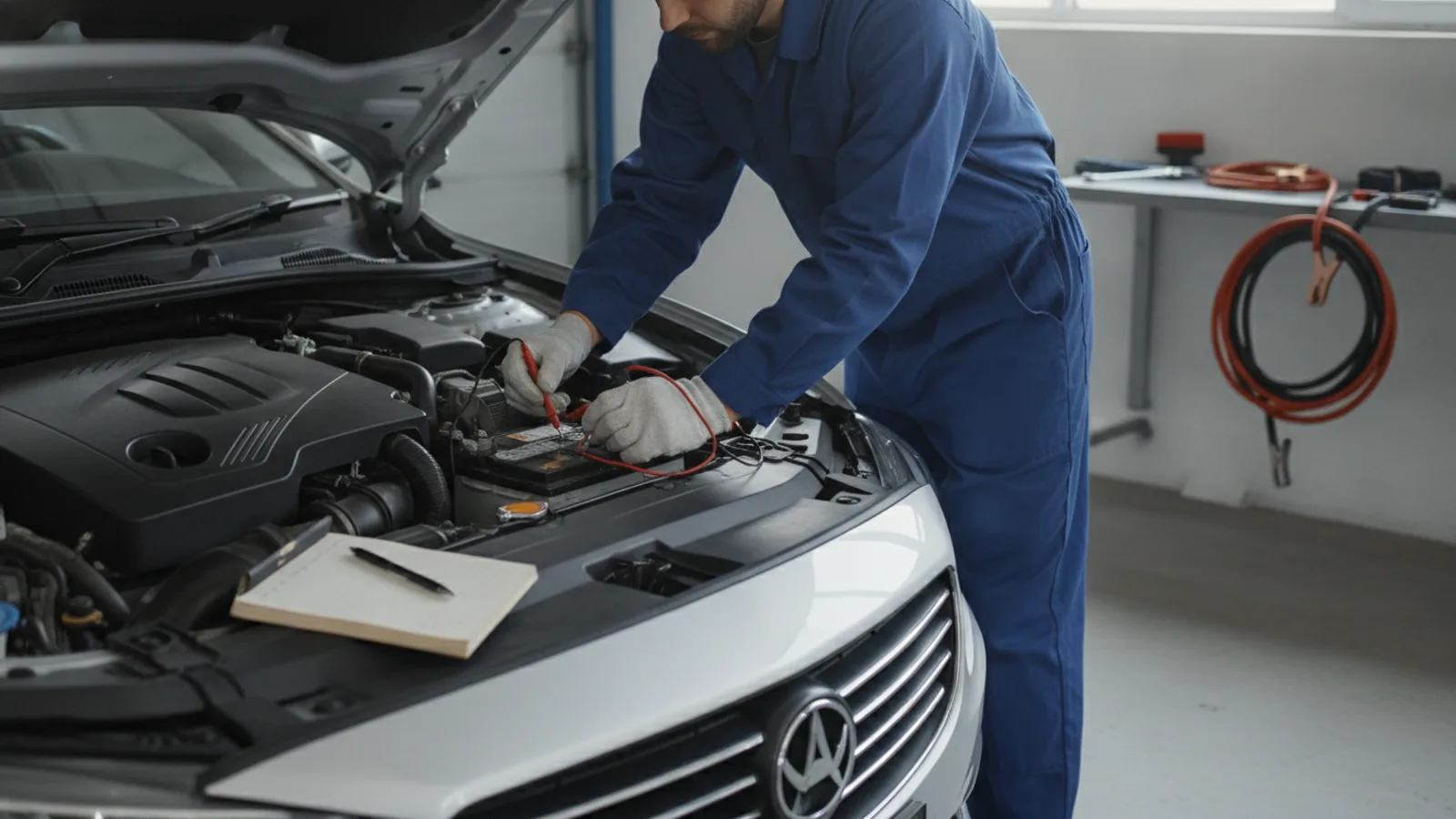
After your initial review and test drive, schedule a professional inspection with a trusted independent mechanic. Choose a shop that specializes in the make of the car or that has a good reputation for pre-purchase inspections. During the inspection, ask the mechanic to perform a comprehensive check, including a code scan, suspension and brake evaluation, and a thorough look at the underside for rust, damage, or leaks. Request that they check the timing belt or chain, especially if the car has high mileage, and inspect the exhaust system. Ask for a written report with photos of any issues they find. This step is crucial because an expert can spot problems that are difficult for an average buyer to detect, and the inspection report can give you leverage to negotiate or a reason to walk away.
Review and Negotiate Based on Inspection Findings
Once you receive the inspection report, review it carefully. Distinguish between minor issues, such as worn wiper blades, and major problems, like a failing transmission or severe rust. Use the report to negotiate a lower price or to ask the seller to repair specific issues before the sale. If the inspection reveals safety concerns or the estimated repair costs are too high, do not hesitate to walk away. Get written estimates for any needed repairs and consider whether the purchase price plus repairs is still a good deal. Also, check your own financing and insurance requirements to ensure the vehicle meets them. This step matters because negotiation based on facts helps you get a fair price and avoid significant post-purchase expenses, ensuring that the car is safe and reliable for your family.
Quick Reference
| Situation | Action | Why it helps |
|---|---|---|
| The seller provides service records but the car is over 8 years old and has high mileage. | Still request a professional inspection and ask the mechanic to specifically check for common high-mileage issues like timing belt wear, suspension bushing deterioration, and transmission condition. | Even with records, high-mileage cars may have pending repairs that are not documented, and an expert eye can catch them before you commit. |
| You notice a faint damp smell inside the cabin after a rain, but there are no stains. | Inspect the trunk, under carpets, and around the sunroof drains for moisture, and ask the seller to allow a water test while you watch for leaks. | Hidden water intrusion can lead to rust, mold, and electrical issues, so identifying the source now is cheaper than fixing it later. |
| The test drive on the highway was smooth, but on a bumpy road you heard a slight clunk from the front suspension. | Have a mechanic inspect the struts, ball joints, and control arm bushings, and do not dismiss the noise as a minor annoyance. | Suspension issues can worsen quickly, affecting tire wear and steering control, so a professional evaluation is essential. |
Common Issues
- Mismatched paint or panel gaps that suggest poor previous body repairs.: Have a body shop or mechanic assess the extent of the repair and check for underlying structural damage; negotiate a significant discount or walk away if the repairs are recent and hidden.
- Engine warning light is off, but the car idles rough or hesitates during acceleration.: Run a diagnostic scan with an OBD-II scanner and have a mechanic check for intermittent codes, vacuum leaks, or fuel system problems that may not set a permanent code.
- Tires show uneven wear, indicating potential alignment issues from a past collision or worn suspension parts.: Have the alignment checked and inspect the suspension components for wear; if misalignment is severe, budget for immediate alignment and possibly new tires after purchase.
Advanced Tips
- Consider a pre-purchase inspection at a dealership's service department that specializes in the same brand, as they will be more familiar with model-specific quirks and common failure points.
- Look up the car's safety and reliability ratings from respected independent sources, and cross-reference them with the specific model year to identify any known recalls or technical service bulletins.
- If you have time, take the car to a self-service car wash and use the high-pressure spray on the underbody and wheel wells to reveal any heavy rust or leaks that were hidden by dirt or undercoating.
Final Checklist
- Verified the vehicle history, including past accidents, title status, and service records.
- Conducted a thorough exterior inspection for signs of bodywork or structural damage.
- Checked all interior features, including seats, climate control, and electronics.
- Performed a comprehensive test drive on varied road surfaces and had a professional independent inspection.
FAQ
What is the most important step I should not skip?
The most critical step is the independent professional inspection. Even if the car looks and drives well, a qualified mechanic can identify hidden issues like frame damage, failing components, or electrical problems that may not be obvious. Spending a small amount on an inspection can save you from expensive repairs later.
How long should a test drive be?
A thorough test drive should last at least 30 minutes and include city streets, a highway segment, and a rough road. Take your time to experience the car's behavior in different conditions, and if possible, test it with a full load of passengers (such as your family) to see how it performs under extra weight.
Can I still negotiate the price if the inspection finds issues?
Yes, you can use the inspection report as a negotiation tool. Ask for written estimates for the necessary repairs and subtract that cost from your offer, or ask the seller to fix the critical issues before you finalize the purchase. If the issues are severe, you may decide to walk away from the deal.