How To Choose A Compact Toolkit For First Time Car Owners
A practical step-by-step guide to how to choose a compact toolkit for first-time car owners, including preparation, instructions, common issues, tips, and next steps.
How To Choose A Compact Toolkit For First Time Car Owners
Choosing a compact toolkit as a first-time car owner can feel overwhelming, but focusing on the essential tools and practical considerations will help you handle common roadside issues and simple maintenance tasks. This guide walks you through evaluating your needs, selecting quality components, organizing your kit, and storing it properly, ensuring you are prepared without spending excessively or cluttering your vehicle.
Fast Answer
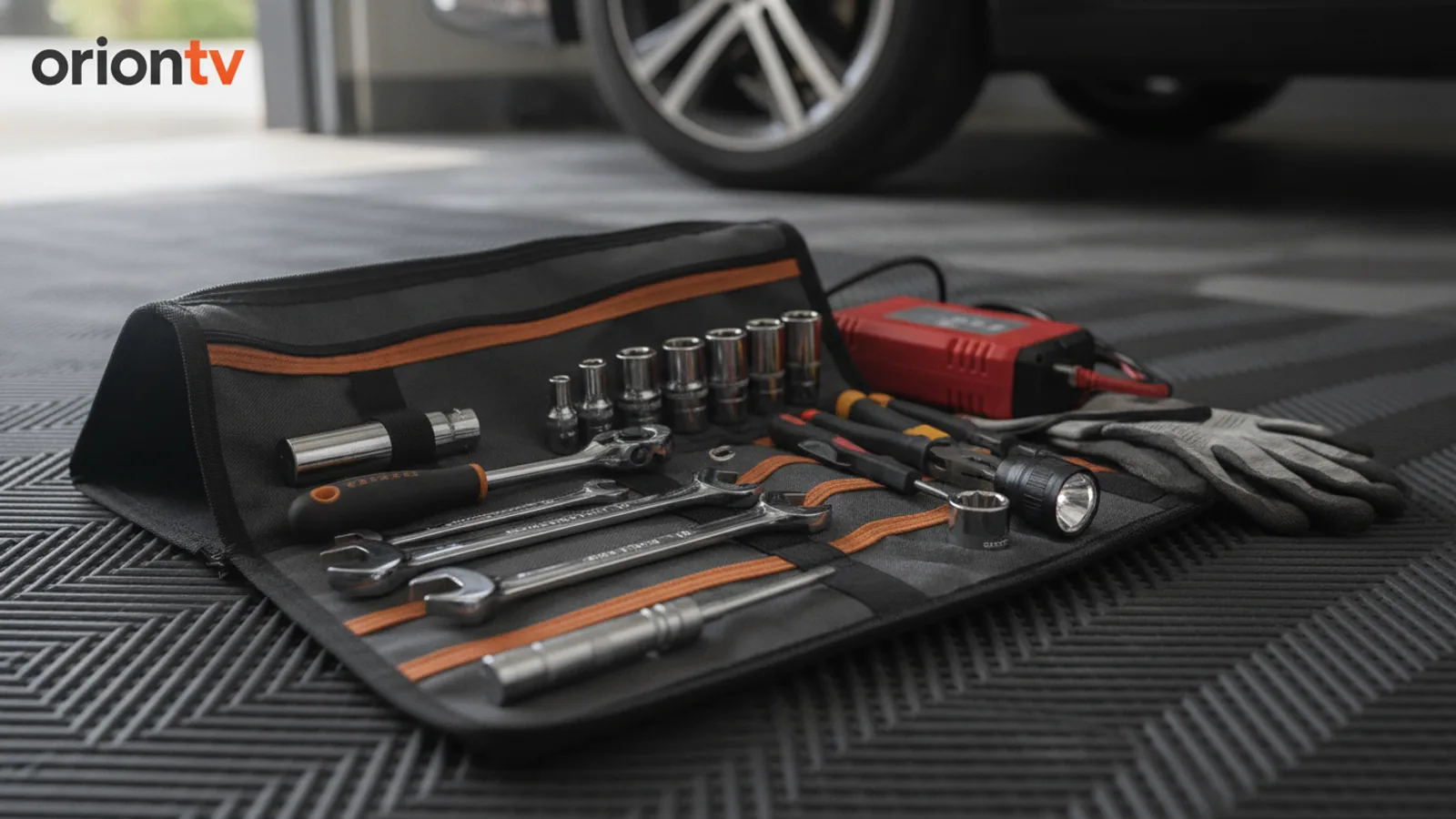
- Focus on the essentials: a multi-bit screwdriver, a set of combination wrenches, pliers, an adjustable wrench, a tire pressure gauge, and a compact socket set. These will cover the majority of simple repairs and emergency adjustments.
- Select a sturdy, compact case with organized compartments that fits securely in your trunk or under a seat. Prioritize tools with comfortable grips and corrosion-resistant finishes, and periodically check and replenish items like zip ties or spare fuses.
Before You Start
- List the basic tasks you anticipate, such as tightening loose bolts, changing a wiper blade, or checking tire pressure. This helps you avoid buying specialty tools you rarely need and keeps your kit lean.
- Measure the available space in your vehicle where you plan to store the toolkit. Consider the shape and depth of the area to ensure the case you choose fits without sliding or causing damage.
- Set a practical budget, keeping in mind that a quality set will last longer. Remember that you do not need every shiny gadget; focus on durable, multi-purpose tools within a reasonable price range.
- Check your vehicle's owner's manual for any specific tools needed for basic maintenance, such as the size of socket for your spark plugs or a specific wrench for your battery terminals. Write these sizes down so you can verify the toolkit includes them.
Step-by-Step Instructions
Assess Your Practical Needs and Skill Level
Start by listing the simple tasks you are comfortable doing, such as checking tire pressure, replacing wiper blades, or tightening exterior bolts. Think about common emergencies like a loose battery terminal or a popped fuse. Don't plan for complex repairs you will likely leave to a professional. Your toolkit should match your abilities and the routine chores you will actually perform. If you are new to car care, focus on basics that allow you to fix minor annoyances and assess when professional help is needed. This assessment prevents you from buying heavy, specialized tools that will sit unused. It also ensures your kit remains light and compact, which is the whole point. After listing your tasks, rank them by frequency and ease. Then, as you shop, check each potential tool against this list. Ask, "Will I really use this?" If not, leave it out. This mindfulness keeps your kit practical and cost-effective.
Select the Core Tools That Cover Multiple Jobs
Your essential toolkit should include a multi-bit screwdriver with both flathead and Phillips bits, a small set of combination wrenches in metric and standard sizes, an adjustable wrench, pliers (needle-nose and slip-joint), a tire pressure gauge, and a compact socket set with a ratchet. These tools handle a surprising range of tasks, from removing a wiper arm to tightening a loose bracket. Choose tools with comfortable, non-slip grips that suit your hand size. Look for sockets and wrenches made of durable chrome vanadium steel, as they resist stripping and corrosion. Verify that the socket set includes the common sizes for your vehicle, such as 10mm, 12mm, and 13mm, but also standard sizes like 3/8 inch and 1/2 inch. The adjustable wrench is crucial for odd-sized fasteners, but be cautious using it on heavily torqued bolts because it can slip and round the edges. Always use the correct tool to avoid damage.
Evaluate Additional Helpful Items to Include
Beyond the core set, consider adding a few items that cost little but provide peace of mind. A small LED flashlight or headlamp is essential for night-time emergencies. A pack of zip ties and a roll of electrical tape can temporary fix a loose trim piece or insulate a bare wire until you get professional help. A tire thread depth gauge is small and helps you know when your tires need replacing. Include a few extra fuses that match your vehicle's types, but always check your owner's manual for the correct rating and style. You might also include a multi-tool, but do not rely on it as a substitute for actual wrenches and sockets. These auxiliary items do not take up much space and can make a big difference in a pinch. However, resist the urge to bring every convenience item; stick to what you likely will need.
Choose a Durable and Organized Storage Case
The case is as important as the tools. It should be compact, yet have designated slots or loops for each tool. This prevents rattling and makes it easy to see if anything is missing. A hard plastic case with a secure latch is ideal, because it can withstand temperature changes and impacts. Avoid soft bags that do not protect tools or keep them organized. Before buying, measure the case dimensions against the space you identified in your prep. Ensure the case fits without being squished, but also that it does not slide around. Some cases come with foam inserts that let you customize fit, which is convenient. Consider a case with a rubberized exterior for grip, especially if you will store it under a seat. The latch should be strong enough to stay closed during hard braking or a minor collision. A good case extends the life of your tools and keeps them safe.
Verify Quality and Comfort in the Store or Online
When you are ready to purchase, inspect the physical tools for any signs of poor manufacturing, such as rough edges, chipped chrome, or wobbly ratchet actions. Pick up each tool and feel the grip; it should be secure and comfortable. For sockets and wrenches, check that the sizes are clearly stamped and that the openings are machined cleanly. If you can, test the ratchet by turning it to ensure it clicks smoothly in both directions. Read customer reviews focusing on durability and breakage, but be cautious of overhyped claims. For online purchases, list the exact tools and sizes you need and verify the product description mentions them individually. Do not assume a toolkit has a specific size just because it says complete. A good indicator of quality is a manufacturer's warranty, but that is not a substitute for immediate inspection.
Test Your Toolkit and Learn to Use Each Tool Properly
After you bring your toolkit home, do not just store it away. Take a few minutes to open the case and rehearse using the tools. For example, practice removing and reattaching a single screw on a small piece of scrap wood to understand how the multi-bit screwdriver feels. Use the wrench to tighten and loosen bolts on a cardboard box or an old bicycle if you have one. Check that the ratchet releases and locks correctly, and that the extension bar clicks into the socket. This practice builds muscle memory, so you will not fumble in an emergency. Also, verify that the tire pressure gauge works against a calibrated source, such as a gas station gauge. Finally, place the toolkit in your vehicle and ensure it does not obstruct any controls or safety equipment. Being familiar with your tools increases your confidence and safety.
Quick Reference
| Situation | Action | Why it helps |
|---|---|---|
| You need to tighten a loose bolt on a door hinge or bracket | Select the correct wrench or socket size that fits snugly, then turn clockwise to tighten. Do not overtighten; stop when it feels firm. | Using the correct sized tool prevents stripping the bolt head, and a firm but not excessive turn avoids damaging the threading. |
| You are stranded at night and need light to inspect an issue | Hold the flashlight in your mouth or use a headlamp to keep both hands free, then direct the beam to the area you are examining. | Keeping both hands free ensures you can hold the light steady and use tools safely without straining in a dark environment. |
| You suspect a blown fuse due to an electrical failure (e.g., radio not working) | Turn off the ignition, then locate the fuse box (check manual), visually inspect the translucent fuse for a broken filament, and replace with a matching amp rating. | A broken filament indicates a blown fuse, and replacing it with the correct rating prevents further electrical damage to components. |
Common Issues
- Your flashlight battery dies when you need it most.: Store the flashlight with batteries reversed or remove them and keep spares separately. Check them every few months and replace as needed. Consider a hand-crank or solar-powered light as a backup.
- The sockets slip and round off a bolt head due to poor quality or the wrong size.: Immediately stop using that socket. Try a six-point socket that fits more snugly, or use a wrench if possible. If the bolt head is already damaged, you may need a bolt extractor, which is often a specialized tool for professionals.
- Your toolkit becomes disorganized because tools shift during driving.: Reorganize the case and make sure every tool is in its designated slot. If the case lacks secure holders, add a piece of foam with cutouts. Also, secure the case with a strap or bungee cord to prevent it from sliding.
Advanced Tips
- Create a custom roll-up pouch for the most frequently used tools—like a screwdriver and a small wrench—and keep it in the glovebox for quick access, while leaving the full kit in the trunk.
- Apply a light coat of corrosion inhibitor or silicone grease to tools that have exposed metal surfaces, especially if you live in a humid or coastal environment, to extend their longevity.
- Write down the specific days of your vehicle's maintenance schedule and set a reminder to check your toolkit once a month for any missing or worn items, so you are always prepared.
Final Checklist
- Verify that your toolkit includes screwdrivers, wrenches, pliers, an adjustable wrench, a tire pressure gauge, and a socket set.
- Ensure the case is compact, organized, and stored securely in your vehicle without obstructing any controls.
- Practiced using each tool at home so you know how it feels and how to swap bits or adjust the wrench.
- Check the toolkit every few months to replace used batteries, restock zip ties, and inspect tools for wear.
FAQ
How many tools do I really need in a compact kit?
As a first-time car owner, you should aim for a kit that covers basic tasks like tightening bolts, changing wiper blades, and checking tire pressure. A well-chosen set of around 20 to 30 pieces is sufficient, as long as you select versatile tools that can be combined for different jobs. Avoid large sets with redundant sizes and specialty gadgets you will never use.
What is the best way to store a toolkit in a car to prevent rust?
Store your toolkit in a dry area of the trunk, preferably inside the compartment where the spare tire is kept. Avoid leaving it exposed to moisture or direct sunlight. If your toolkit case has ventilation holes, you may want to add a small packet of silica gel to absorb humidity. Periodically wipe down tools with a dry cloth if they feel damp.
Should I buy a pre-assembled toolkit or build my own?
Decide based on your comfort and budget. A pre-assembled kit is convenient and often cost-effective if it includes exactly what you need. However, building your own lets you select higher quality tools for specific sizes you truly need. For first-time owners, starting with a pre-assembled basic kit and then adding a few custom pieces is a practical approach.