What To Check Before A Pre Purchase Check For A Used Family Car
A practical step-by-step guide to what to check before a pre-purchase check for a used family car, including preparation, instructions, common issues, tips, and next steps.
What To Check Before A Pre Purchase Check For A Used Family Car
Before you commit to a used family car, a thorough pre-purchase inspection is essential. But there are important steps to take before that inspection to ensure you go prepared, avoid wasting time, and make a well-informed decision. This guide covers what to check before the pre-purchase check, including paperwork review, vehicle history, budget planning, and mechanical readiness. Follow these steps to confidently evaluate a used family car and get the most accurate picture from the inspection.
Fast Answer
- Gather all vehicle documents (title, maintenance records, and registration) and request a vehicle history report to check for accidents or title issues.
- Set a clear budget that includes the purchase price, insurance, registration, and a repair fund, and research common reliability issues for the specific make and model.
Before You Start
- Review the vehicle title to ensure it is clean and matches the seller's name, and check the vehicle identification number (VIN) on the title against the car's dashboard and door sticker.
- Request a comprehensive vehicle history report using the VIN to reveal any past accidents, salvage titles, odometer rollbacks, or flood damage.
- Set a maximum budget covering the car price, taxes, registration, insurance, immediate repairs, and a reserve for future maintenance, and get financing pre-approved if needed.
- If possible, take a trusted mechanic with you, or at least research the car's common trouble spots so you know what to look for during the inspection.
Step-by-Step Instructions
Check the vehicle documents
Start by examining the vehicle title and registration to confirm the seller is the legal owner and the car has no hidden legal issues. Compare the name on the title with the seller's photo ID, and verify the vehicle identification number (VIN) on the title matches the one printed on the car's dashboard and door frame. Look for any liens or loans that are still owed, because buying a car with a lien may cause future legal trouble. Ask for the maintenance records to see if the seller has followed the manufacturer's recommended service schedule, which tells you a lot about how well the car was cared for. Explain that a clean title and accurate paperwork protect your investment and ensure you can register the car without disputes.
Review the vehicle history report
Use the VIN to get a vehicle history report from a reputable online service or a database that your insurance company uses. This report reveals previous accidents, flood damage, odometer rollbacks, title brands, and the number of past owners. Pay special attention to any 'salvage' brand or 'flood' damage, because these can seriously weaken the car's safety and reliability. Also note if the car has been in a major collision, because even good repairs may compromise the body structure. Verify that all previous owners maintained the car as required, and ask the seller for any additional repair invoices that support the report. Understanding the car's past will help you spot potential problem areas that the inspector should check more closely.
Set a clear cash budget
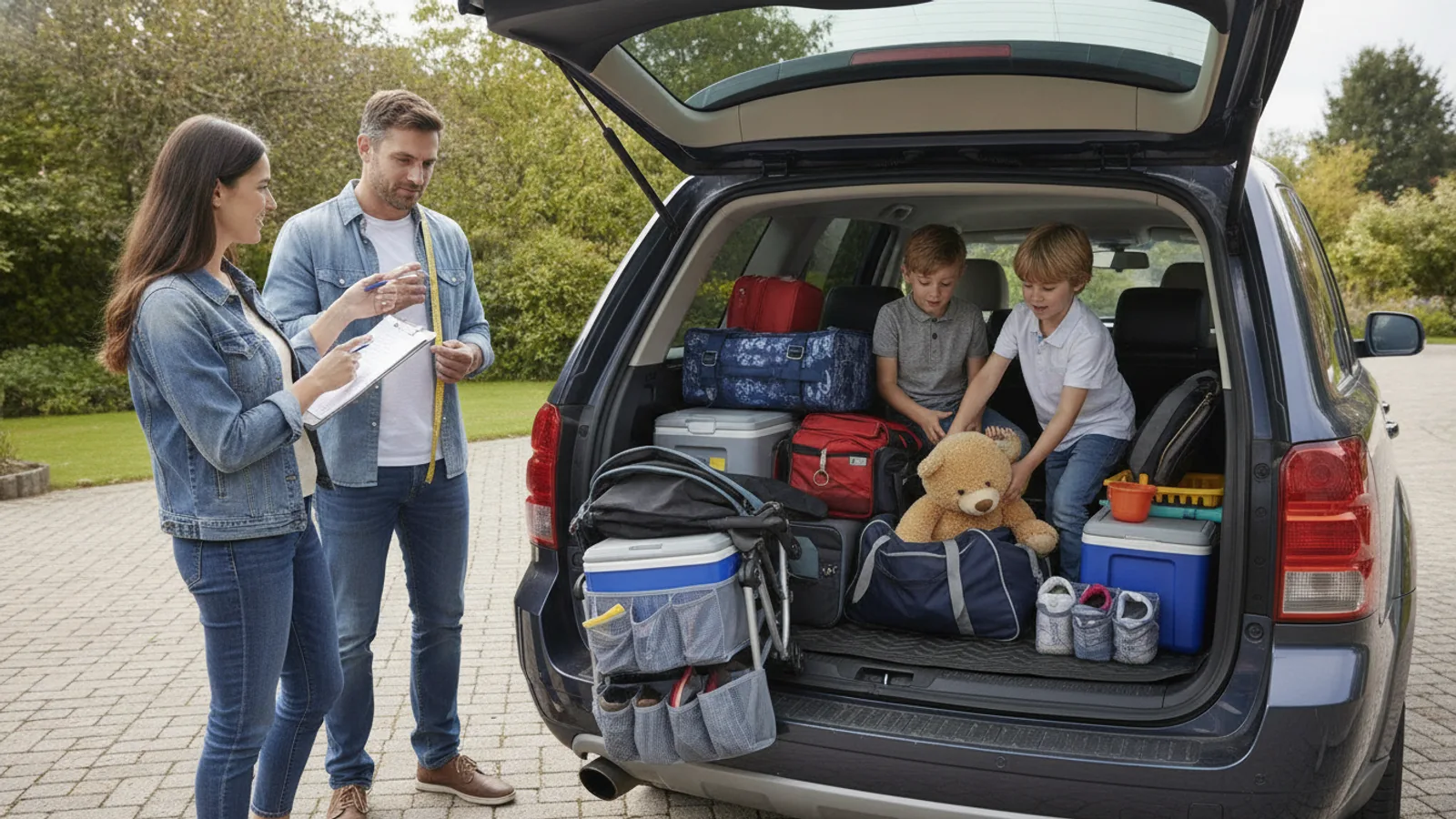
Define a total budget that covers the purchase price plus all immediate and upcoming costs, such as taxes, registration fees, insurance premiums, and a repair fund. Research typical insurance rates for the model, since family minivans or SUVs may cost more, and note that newer models may have higher premiums. Also factor in a few hundred for a professional inspection, plus a small emergency fund for first-year repairs like tires or brakes. Decide on your absolute maximum, and be strict so you don't overspend when a seller lowers the price during negotiation. Remember that an older car may need more immediate repairs, so a higher mileage car should leave room in the budget for that.
Research the make and model
Look up consumer ratings, reliability surveys, and common complaints for the specific year, make, and model you intend to check. Search for known issues such as transmission failures, engine oil leaks, or premature brake wear. Join online owner forums and read about the real-world experiences of families with that car. Pay attention to the car's recommended maintenance intervals and the cost of replacing typical parts. Knowing the car's weak points helps you ask the inspector to pay closer attention to those areas. Also check safety ratings from recognized independent agencies to ensure the car protects children and adults well in a collision. This knowledge makes you a smarter buyer and helps you avoid a costly mistake.
Prepare a diagnostic checklist
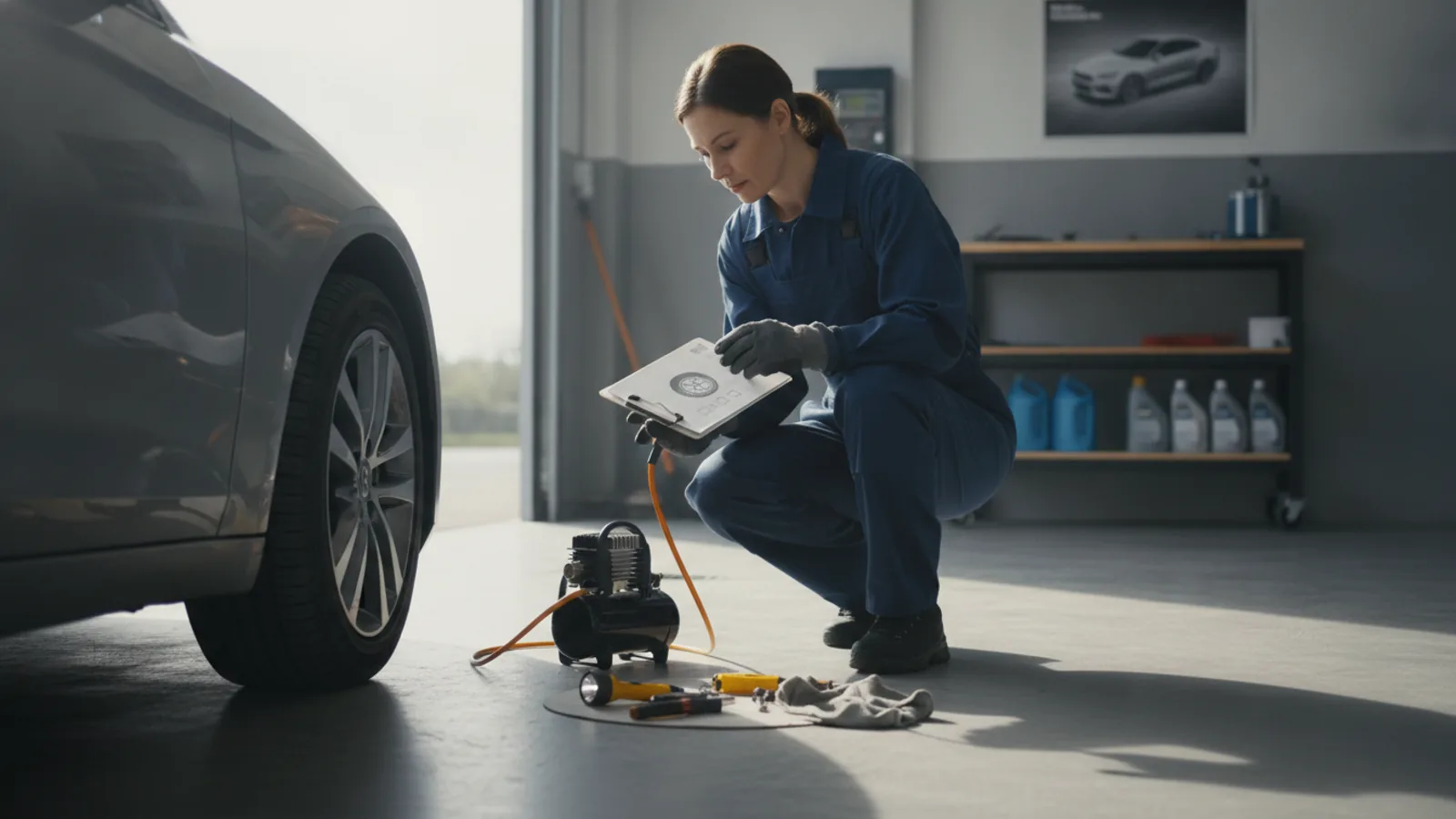
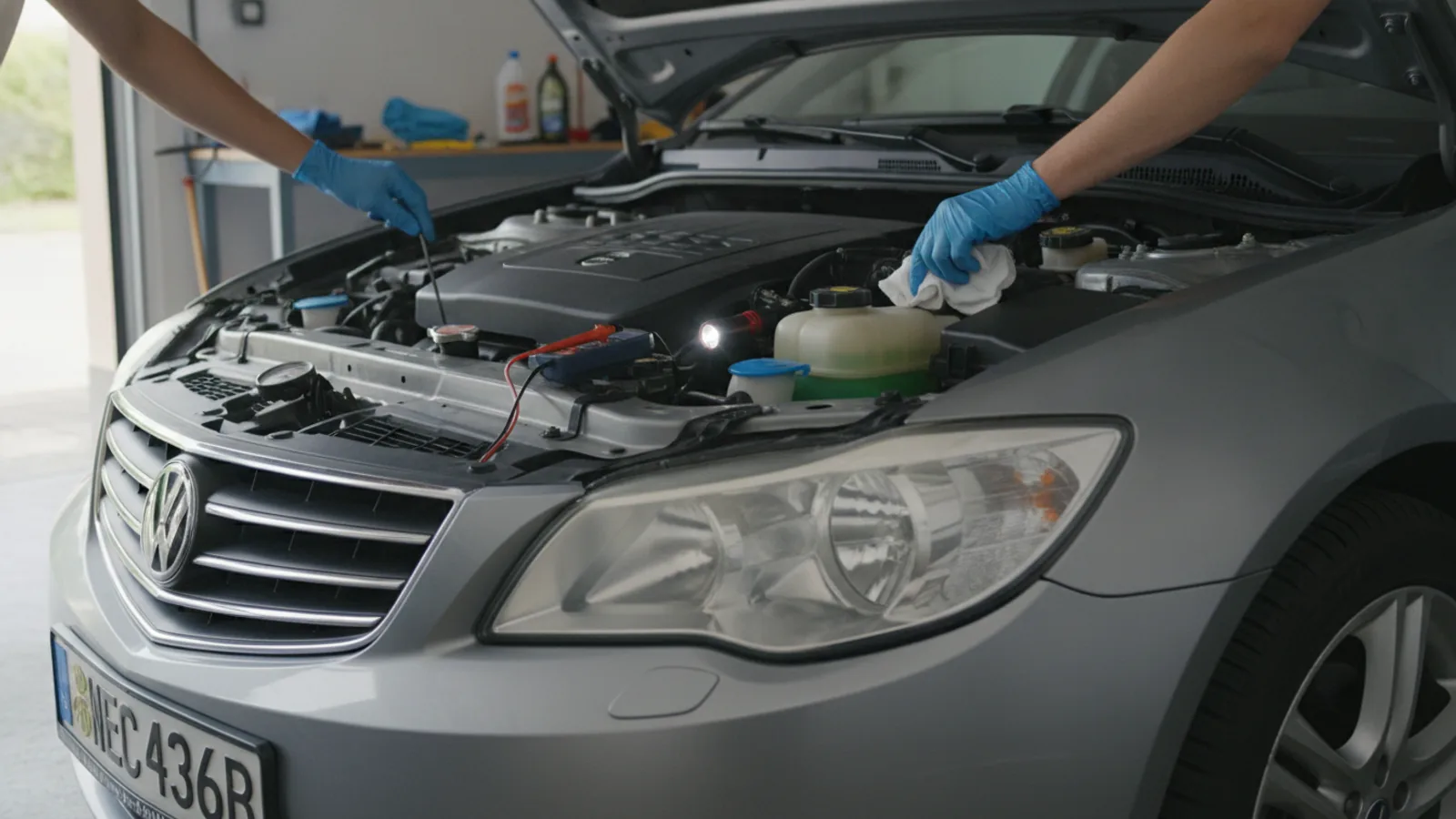
Create a personal checklist of items you will closely examine when you meet the seller, plus questions for the inspector. Include body panels for dents or rust, tire tread depth, undercarriage leaks, and engine bay condition. Also check interior features like seat belts, child seat anchor points, and airbag warning lights, because safety systems are non-negotiable for a family car. Write down any unusual noises you should listen for when driving, such as grinding brakes or clunking from the suspension, and note how to test the air conditioning and heater. A structured list helps you stay calm and thorough even if the seller is talking a lot. Share this list with the inspector so you both focus on what matters most for a family car.
Decide on an independent inspection
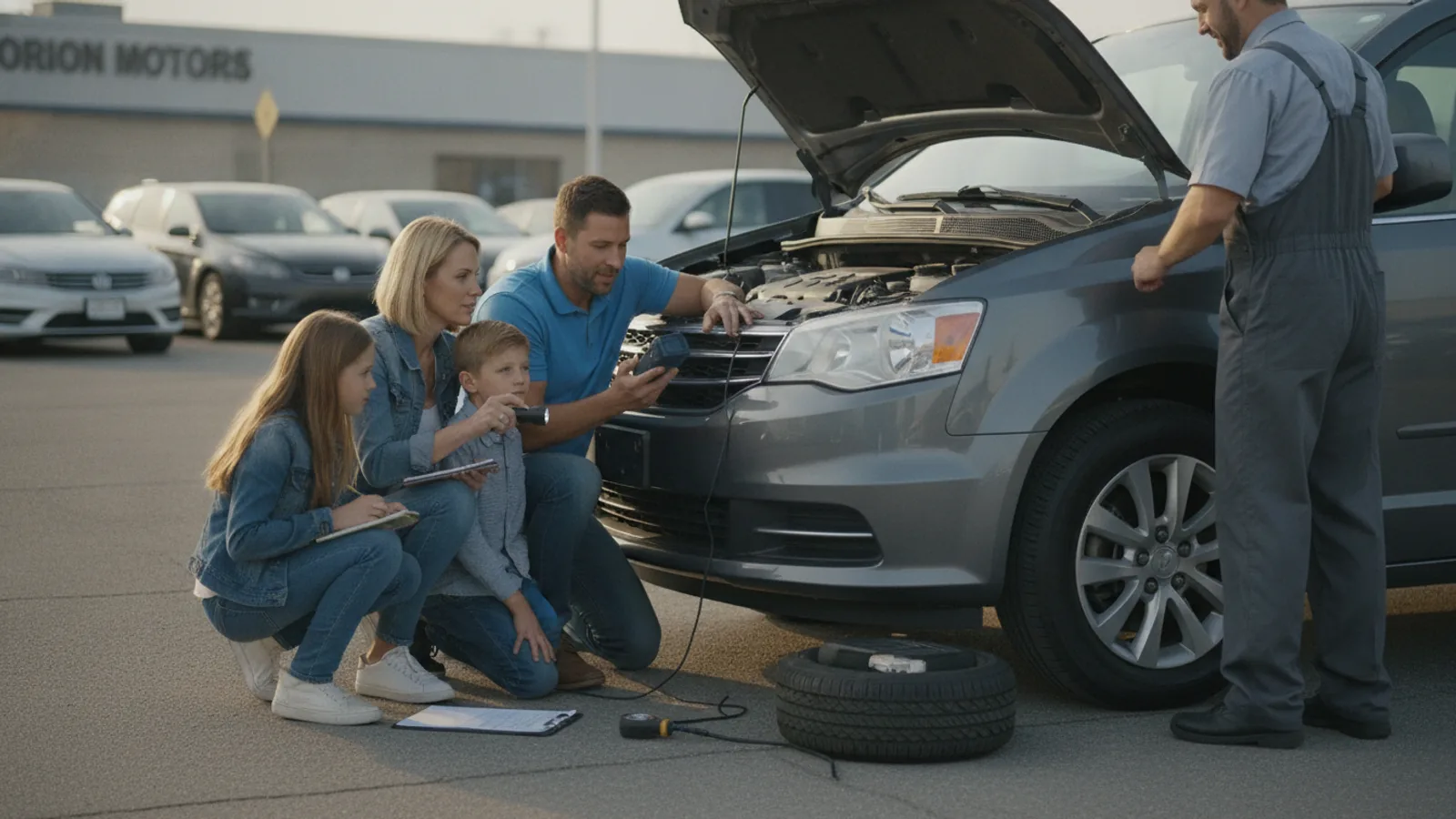
Arrange for the car to be taken to a trusted independent mechanic of your choice, separate from the seller or the dealer, for a thorough pre-purchase inspection. If the seller won't allow this, walk away, because that pressure is a warning. Book the mechanic in advance and confirm they have time to perform the inspection. The mechanic should look at the engine, transmission, brakes, suspension, exhaust, tires, and do a test drive. Ask them to check for signs of flood damage, frame damage, or any electrical issues that might show up later. This inspection may cost a bit, but it saves you from buying a car that could fail on you soon. Plan to wait for the report before making any decision.
Quick Reference
| Situation | Action | Why it helps |
|---|---|---|
| The vehicle title looks smudged or has a different owner name. | Ask the seller for the matching photo ID and verify the name on the title is identical to the seller's ID. Also check for any cross-outs or alterations. | A title with mismatched owner information could be a sign of a forged document or legal ownership dispute, which would cause problems when you try to register the car. |
| The vehicle history report shows a 'salvage' or 'rebuilt' brand. | Call your insurance company to see if they will cover it, and request a full list of repairs from the seller. Have your mechanic inspect the repaired areas closely. | Salvage or rebuilt cars may have had serious structural damage, and even good repairs can affect safety and future insurance claims. |
| The seller refuses an independent mechanical inspection. | Thank the seller for their time and plan to walk away from the deal. Politely state that you are not willing to buy without a professional inspection. | An honest seller will usually allow an inspection, so refusal is a strong sign that the car may have hidden defects or the seller is pushing a troubled vehicle. |
Common Issues
- Old worn tires that appear smooth and have low tread depth.: Check the tread with a simple penny test, and if there are cracks or bulges, replace them before letting your family ride on them. New tires can cost a lot, so negotiate the price.
- Sticky or slow sliding side doors on a minivan.: Test each door multiple times, and if they stick, ask the seller to fix the track alignment or lubrication. If you buy it, plan to service the rollers to avoid future breakdowns.
- Mold or a musty smell inside the cabin, especially under the carpets.: Ask the seller to remove moisture and replace air filters, but be aware that mold could indicate a leak or even flood damage. If you proceed, thoroughly clean and fix the source.
Advanced Tips
- Have your mechanic perform a compression test to check the engine's cylinder health and detect any internal wear that may not show in a basic inspection.
- Ask the dealer or seller if you can see a copy of the last inspection or safety certificate from the previous state or province, and verify its date.
- During the test drive, take the car on varied roads including a highway and a bumpy street, and listen for a knocking noise that often means suspension trouble.
Final Checklist
- Bring the vehicle history report printout, insurance quotes, and your personal diagnostic checklist to the meeting with the seller.
- Compare the VIN on the title, the car's dashboard, and the door frame to confirm they are identical.
- Take the car to an independent mechanic for a full pre-purchase inspection, not just a quick look under the hood.
- Review the mechanic's written report carefully and either negotiate the price down or decide to keep looking if serious issues appear.
FAQ
Should I get a vehicle history report if the seller already has one?
Yes, because the report the seller gives you could be old or missing new information. Pull a fresh report using the VIN just before the inspection so you know the most current accident and damage details.
Can I do the pre-purchase inspection myself with a checklist?
A simple checklist helps you catch obvious problems, but you still need a mechanic's professional eye for the engine, suspension, and hidden corrosion. Use your checklist to guide you, but let the expert make the final assessment.
How much should I set aside for a used family car's immediate needs?
Set aside a comfortable amount that covers a professional inspection, new tires, an oil change, a brake check, and a small buffer for any unexpected repairs you don't want to pay later. The exact amount varies by car, so adjust based on what you find.