What To Check Before A Simple Seasonal Maintenance Routine For A Daily Driver
A practical step-by-step guide to what to check before a simple seasonal maintenance routine for a daily driver, including preparation, instructions, common issues, tips, and next steps.
What To Check Before A Simple Seasonal Maintenance Routine For A Daily Driver
Seasonal maintenance for a daily driver keeps your vehicle reliable and safe as temperatures and road conditions shift. This guide outlines simple checks you can perform at home without special tools, focusing on fluids, tires, battery, wipers, and lights. Regular attention to these areas prevents breakdowns and costly repairs, ensuring your car starts and drives smoothly throughout the season. Even if you are not mechanically inclined, these steps are straightforward and take less than an hour. By following this routine, you catch small issues before they become major problems, and you gain confidence in your vehicle's readiness for changing weather. Always consult your owner's manual for specific recommendations, and if you notice anything unusual, seek professional advice.
Fast Answer
- Check your owner's manual for the recommended service intervals and fluid types, then inspect the engine oil, coolant, and windshield washer fluid levels, topping them up as needed.
- Test your battery's health, verify tire pressure and tread depth, and ensure all lights and wipers are working; replace any worn parts before the season changes.
Before You Start
- Gather basic supplies: a tire pressure gauge, a tread depth gauge (or a quarter), a flashlight, a clean rag, and the correct fluids (engine oil, coolant, washer fluid) as specified in your vehicle's manual.
- Park your vehicle on a level surface and engage the parking brake. Turn off the engine and allow it to cool completely before opening the hood to avoid burns from hot components.
- Find a safe location to work, such as a flat driveway or garage, and ensure you have adequate lighting. If you need to lift the vehicle, use proper jack stands and never rely on the jack alone.
- Review your owner's manual to locate the engine oil dipstick, coolant reservoir, battery, and fuse box. Note the recommended oil viscosity and coolant type to avoid using the wrong fluids.
Step-by-Step Instructions
Check and Top Up Engine Oil
Start by ensuring the engine is cool and the vehicle is on level ground. Pull out the oil dipstick, wipe it clean with a rag, reinsert it fully, and pull it out again to check the level. The oil should be between the minimum and maximum marks. If it is low, add the oil type and viscosity recommended in your owner's manual, pouring in small amounts and rechecking the level to avoid overfilling. Also, examine the color and texture of the oil on the dipstick: it should be amber or light brown and smooth, not gritty or milky. If the oil looks dark and thick, or if you see metal particles, it may be time for an oil change. Clean oil lubricates the engine's moving parts, reduces friction, and prevents overheating. Over time, oil breaks down and becomes less effective, so maintaining the proper level and condition is essential for engine health. If you are close to the recommended oil change interval, consider replacing the oil and filter as part of your seasonal upkeep.
Inspect and Refill Coolant
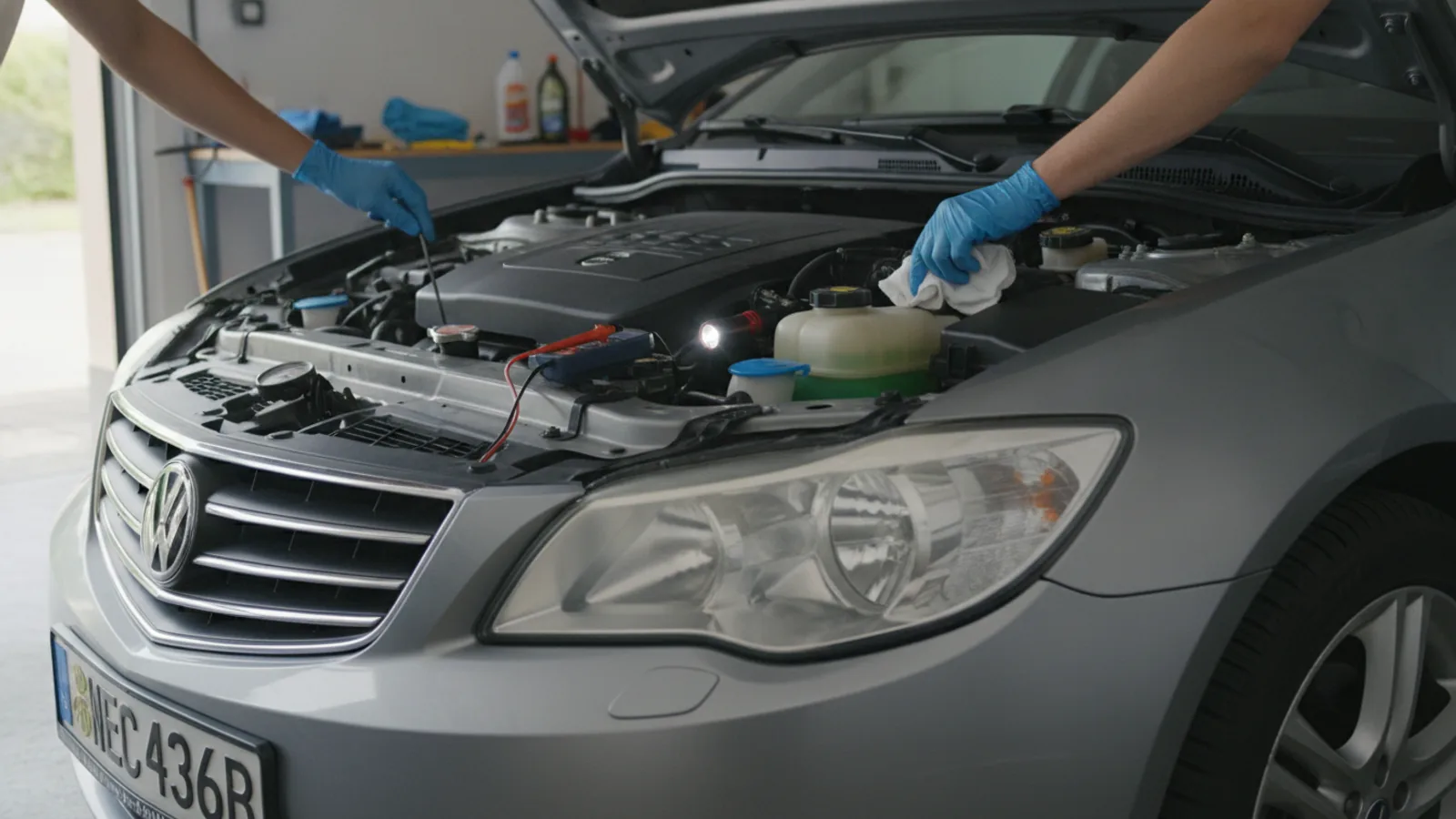
With the engine cool, locate the coolant reservoir—a translucent plastic tank—and check that the fluid level is between the 'min' and 'max' marks marked on the side. If it is low, add a 50/50 mixture of coolant and distilled water (or a pre-diluted coolant) that matches your vehicle's specification. Never open the radiator cap while the engine is warm, and avoid mixing different coolant colors or types unless the manual says it is safe. Coolant prevents the engine from freezing in winter and overheating in summer, so the correct concentration is vital. Also, inspect the hoses for cracks, leaks, or bulges, and check the radiator cap for a tight seal. If the coolant looks rusty or has debris, it may be time for a flush. The proper coolant also lubricates the water pump and protects against corrosion, so keeping it at the right level and condition prevents engine damage and expensive repairs. If you notice frequent coolant loss, have the system checked by a professional for leaks.
Evaluate Tire Pressure and Tread
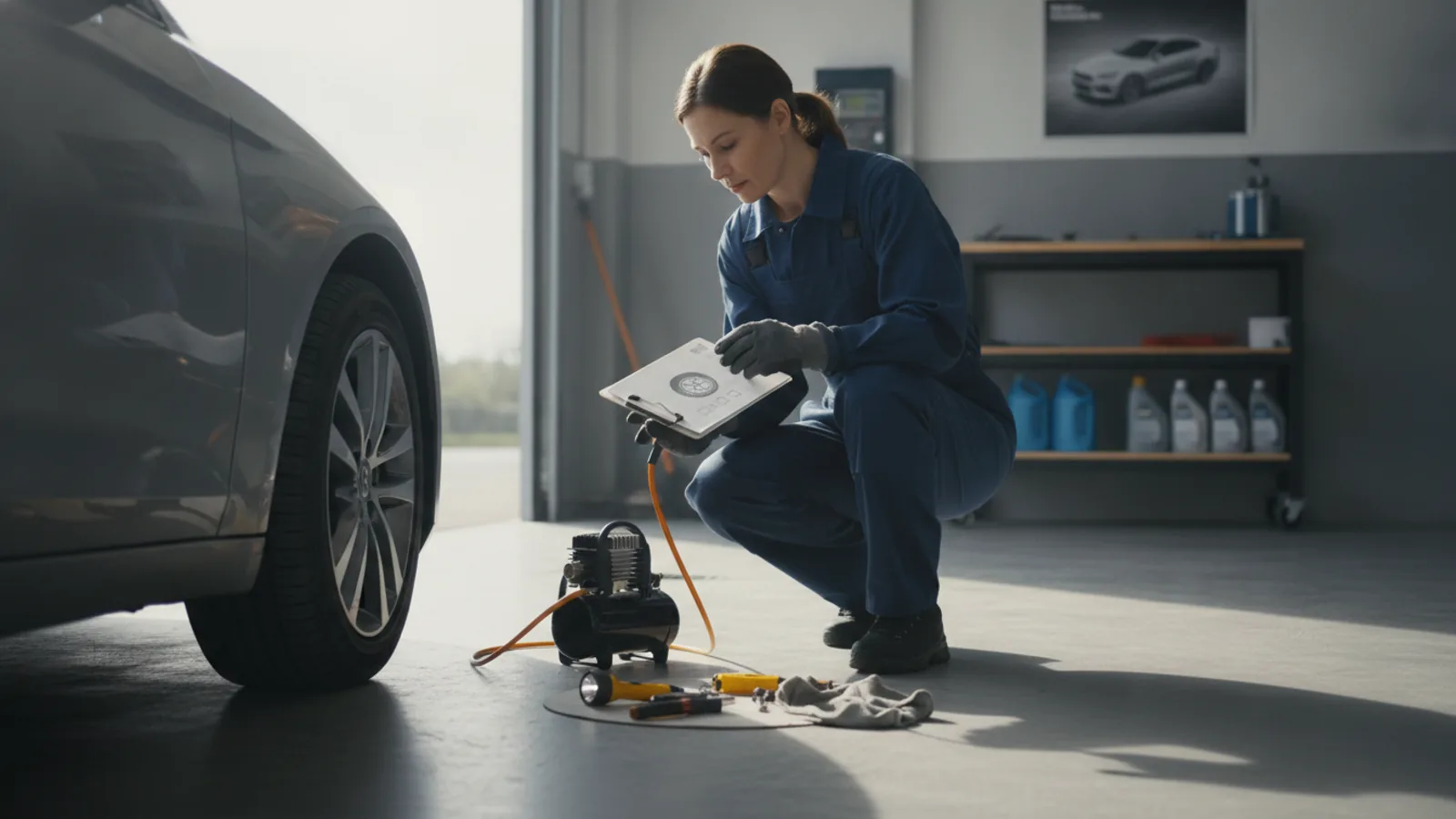
Check the tire pressure when the tires are cold, ideally in the morning before driving. Use a reliable gauge and compare the readings to the pressures listed on the driver's side door jamb or in the owner's manual; this number is usually given in PSI (pounds per square inch). Inflate tires to that level, using an air compressor at a gas station or your own. Low pressure increases rolling resistance and fuel consumption, and can cause overheating, while over-inflation reduces traction and can make the ride harsh. Next, examine the tread depth. Insert a quarter into the tread with the top of Washington's head facing down; if you can see the top of his head, the tread is too shallow and the tires should be replaced. Also, inspect the sidewalls for cracks, bulges, or objects embedded in the tread. Properly inflated tires with adequate tread provide better grip in rain and snow, reduce stopping distances, and extend tire life. Consider rotating your tires if the wear is uneven.
Test Battery and Clean Terminals
Open the hood and locate the battery. Check that the terminals are free of corrosion, which appears as a white or blueish powder. If you see corrosion, disconnect the negative cable first, then the positive, and clean the terminals and cable ends with a wire brush and a mixture of baking soda and water. Rinse with clean water and dry thoroughly before reconnecting. Test the battery's voltage with a multimeter if available: a healthy battery should read around 12.6 volts when the engine is off and between 13.7 and 14.7 volts when the engine is running. If the reading is low, the battery may be weak or old, and a load test by a shop can determine its condition. Also, check that the battery is securely mounted and that the cables are tight. Extreme temperatures can reduce battery capacity, so ensuring a clean, snug connection helps the charging system work efficiently. If the battery is over three years old, consider having it professionally tested before the season changes to avoid an unexpected failure.
Verify Wipers and Washer Fluid
Inspect the windshield wiper blades for cracks, tears, or stiffness by running your finger along the rubber edge. If they leave streaks or skip across the glass, it is time to replace them. Most wiper blades can be changed in a few minutes by lifting the arm and pressing the release tab. Also, check the windshield washer fluid level in the reservoir, usually a blue-tinted plastic tank with a cap marked with a windshield icon. Fill it with a washer fluid that is rated for the season—such as one that does not freeze in winter. Do not use plain water, as it can clog the nozzles or freeze. Test the washer spray and wipers to ensure they operate smoothly and cover the windshield fully. Good wiper blades and adequate washer fluid are critical for visibility in rain, snow, and road spray. If the wipers leave a film, clean the windshield with a glass cleaner. Replacing worn wipers now prevents the frustration of streaked windshields during a downpour.
Inspect All Lights and Signals
Turn on the headlights, both low and high beams, and check that they are working and aimed correctly. Then, activate the turn signals, brake lights (with a helper or by backing up to a wall), hazard lights, and reverse lights. Walk around the vehicle to verify each bulb is functional. Also, check your dashboard indicators and the lights on the interior. If any bulb is out, replace it with the correct type as specified in your owner's manual. Some bulbs are easy to access, while others may require removing covers or even a trip to a mechanic. Properly functioning lights are essential for your visibility and for communicating your actions to other drivers. A burnt-out brake light can lead to a collision or a traffic ticket. Also, check that the lenses are clear and not cracked or foggy. If you have a trailer, ensure its lights are working as well. This simple check takes only a few minutes and increases your safety on the road.
Quick Reference
| Situation | Action | Why it helps |
|---|---|---|
| You notice the engine oil is dark and gritty on the dipstick. | Schedule an oil change as soon as possible, and use the oil grade recommended in your owner's manual. | Old, contaminated oil loses its lubricating properties, accelerating engine wear and increasing the risk of damage. |
| Tire pressure is lower than the recommended PSI on the door jamb. | Inflate the tire to the exact PSI listed, and recheck the pressure after a day to ensure there is no slow leak. | Under-inflated tires overheat, increase fuel consumption, and can cause blowouts, while proper inflation maintains safety and efficiency. |
| You see a crack or tear in a wiper blade, or it leaves streaks. | Replace the wiper blade immediately with a new one that fits your vehicle's wiper arm, following the package instructions. | Damaged wipers reduce visibility during rain or snow, and worn blades can scratch the windshield. |
Common Issues
- Corrosion on the battery terminals: Remove the battery cables (negative first), clean the terminals with a wire brush and a baking soda and water paste, rinse, dry, and reattach. Apply a corrosion inhibitor after.
- Low coolant level due to a leak: Inspect the radiator, hoses, and water pump for leaks. If you find a leak, have a professional repair it, and refill the coolant with the correct mix after the fix.
- Uneven tire wear indicating alignment or suspension issues: Have a mechanic check the wheel alignment and suspension components. Rotate the tires as recommended and replace them if the tread is worn below legal limits.
Advanced Tips
- Consider using a battery maintainer if your car sits idle for extended periods, as it prevents the battery from discharging and extends its life.
- Learn how to read your vehicle's diagnostic codes using a cheap OBD-II scanner to identify potential issues before they become serious.
- Inspect the serpentine belt for cracks or fraying at each oil change to prevent a sudden breakdown on the road.
Final Checklist
- Engine oil at proper level and looks clean; oil change due if it is dark or gritty.
- Coolant level between the marks and hoses are free of cracks or leaks.
- Tire pressure matches the door sticker and tread depth passes the quarter test.
- All exterior lights and signals work, including brake lights and turn signals.
FAQ
How often should I perform this seasonal maintenance routine?
Aim to do these checks at least twice a year, once before winter and once before summer. However, if you drive in extreme conditions or take many short trips, you might need to check more frequently. For example, tire pressure should be checked monthly, and engine oil every few weeks. Always follow the maintenance schedule in your owner's manual.
Can I use any coolant that is labeled 'universal'?
Not necessarily. Different vehicles require specific coolants based on the metal used in the engine and the type of gaskets. Using the wrong coolant can cause corrosion or damage. Check your owner's manual for the recommended coolant type, and if you are unsure, flush the system and use what the manual specifies. When adding a small amount, use the same type that is already in the reservoir.
What should I do if my battery test shows a low voltage?
First, make sure the terminals are clean and tight. Then, recharge the battery with a charger or by driving for at least 15 minutes. After that, test the voltage again. If it remains low, the battery may be failing. Consider having it load-tested at an auto parts store, and replace it if needed, especially before the extreme temperature season.