How To Change A Car Battery Safely
A practical step-by-step guide to How to change a car battery safely, including preparation, instructions, common issues, tips, and next steps.
How To Change A Car Battery Safely
Changing a car battery is a straightforward job that can save you time and help you understand your vehicle better. This guide walks you through the process safely, from preparation to final checks, so you can replace your battery with confidence and avoid common mistakes.
Fast Answer
- Always disconnect the negative terminal first and reconnect it last to prevent sparks and short circuits.
- Work in a well-ventilated area, wear safety glasses and gloves, and never lean over the battery while connecting or disconnecting.
Before You Start
- Gather necessary tools: a wrench or socket set that fits your terminal nuts, a battery terminal puller if needed, and a memory saver if you want to keep electronic settings.
- Park on a level, solid surface, turn off the engine, engage the parking brake, and remove the key from the ignition.
- Put on safety glasses and insulated gloves to protect your eyes and skin from battery acid and accidental sparks.
- Locate the battery, often under the hood but sometimes under a seat or in the trunk; check your owner's manual for exact location and any special removal steps.
Step-by-Step Instructions
Prepare the Vehicle and Work Area
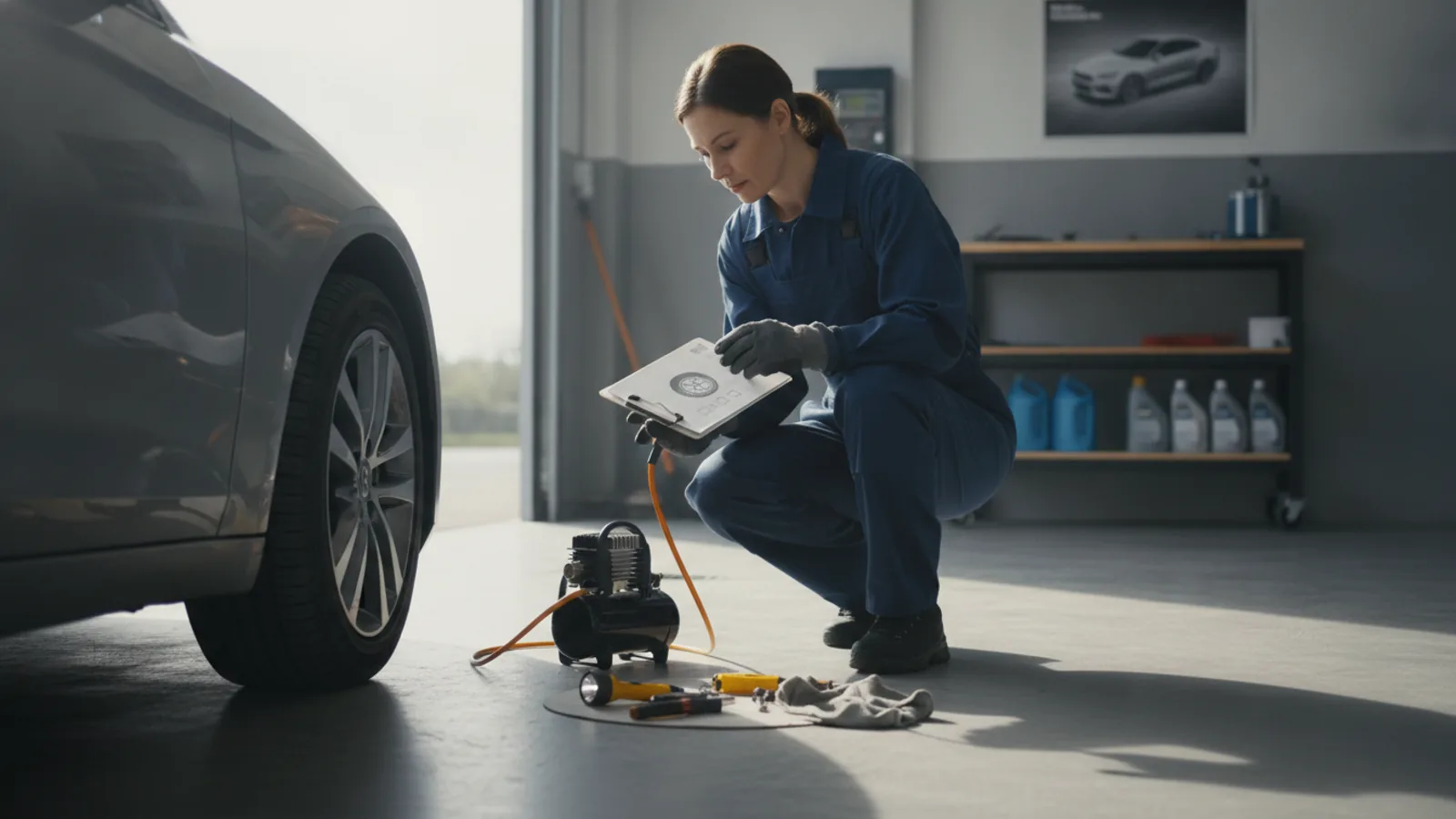
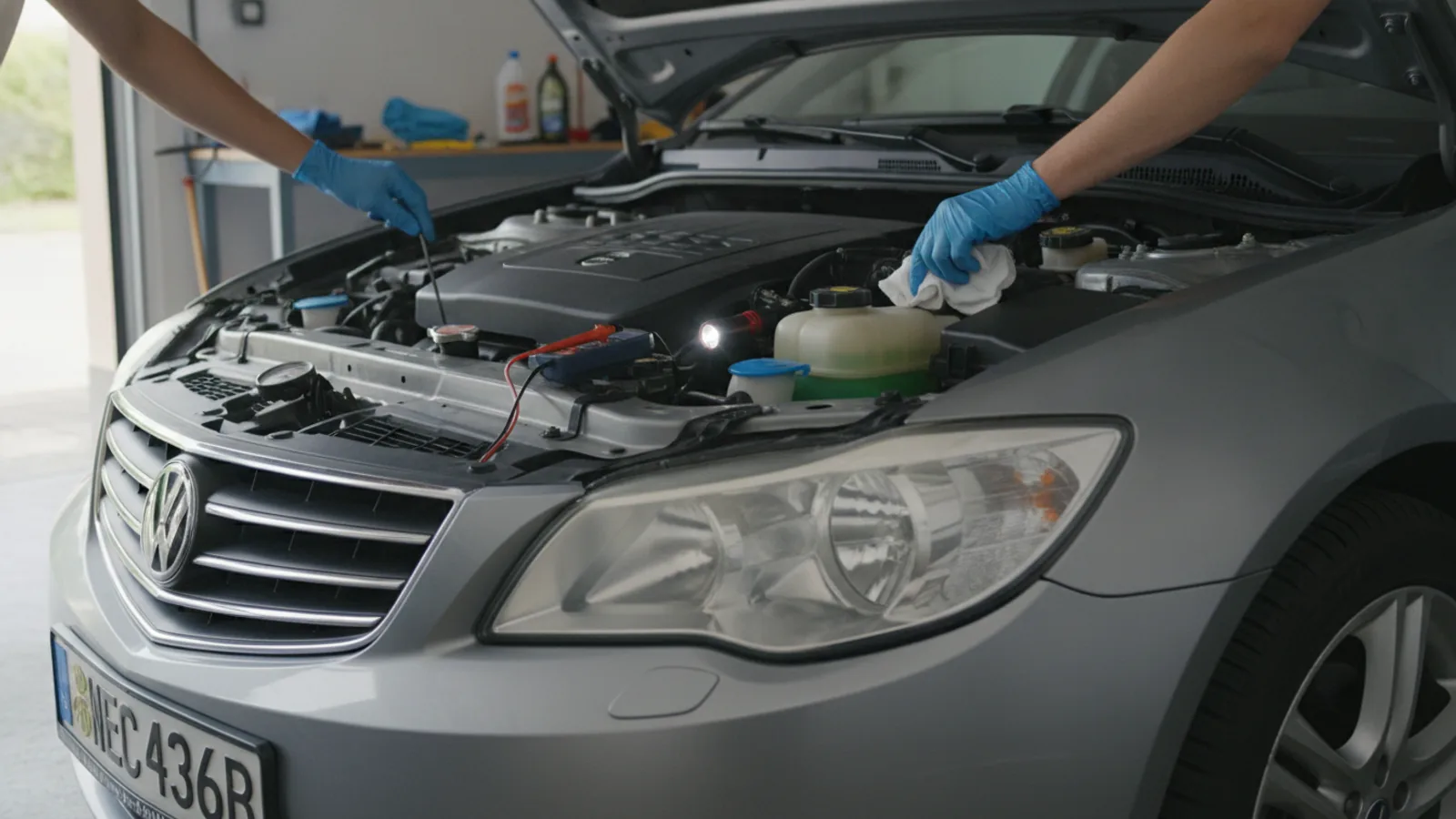
Park the car on a level, solid surface and turn off the engine. Engage the parking brake and remove the key from the ignition to ensure no electrical current is flowing. Put on safety glasses and insulated gloves. Open the hood and locate the battery. If the battery is under a cover or in the trunk, remove any necessary panels. Check that the area around the battery is free of tools, metal objects, and flammable materials. A clean, organized workspace reduces the risk of accidental shorts and makes it easier to keep track of small parts. Take a moment to note how the battery is held in place, which terminals are positive and negative, and whether there are any sensors or vent tubes attached. This initial survey helps you plan the removal and reinstallation without confusion later.
Disconnect the Negative Terminal First
Using a wrench or socket, loosen the nut on the negative terminal, which is marked with a minus sign and is usually black. Do not remove the nut completely; just loosen it enough to wiggle the cable clamp free. Once loose, pull the clamp off the terminal and tuck the cable aside so it cannot accidentally touch the battery post. If the clamp is stuck, use a terminal puller rather than prying it with a screwdriver to avoid damaging the post. Disconnecting the negative first is critical because it breaks the ground connection. If you were to disconnect the positive first and your tool touched any metal part of the car, you would create a short circuit, which can cause sparks, damage electronics, and potentially ignite hydrogen gas. Always double-check that the negative cable is safely away from the battery before moving on.
Disconnect the Positive Terminal
Now that the negative cable is safely away, loosen the nut on the positive terminal, marked with a plus sign and usually red. Follow the same procedure: loosen the nut, then pull the clamp off the terminal. Keep the positive cable isolated; do not let it touch any metal part of the car. Once both cables are disconnected, inspect them for corrosion, fraying, or damage. If they are in poor condition, consider replacing them. At this point, the battery is electrically isolated from the car. Remember that the positive terminal is still live; treat it with respect and avoid bridging it to ground. If your car has additional wires attached to the positive terminal, such as those for accessories, label them with tape or take a photo so you can reconnect them correctly. Organization now prevents mistakes later.
Remove the Battery Hold-Down
Locate the battery hold-down mechanism, which is usually a bracket, clamp, or strap that secures the battery to the tray. It may be at the base or across the top of the battery. Use the appropriate tool to loosen and remove the bolts or nuts. Keep these parts together in a container so they don't get lost. Once the hold-down is removed, check that the battery is free to move. It might be heavy, so grip it firmly with both hands. Some batteries have a built-in handle; use it if available. If the battery is stuck, gently rock it side to side to break the seal between the battery and the tray. Do not use excessive force or pry against the battery case, as it can crack and leak acid. Once loose, lift the battery straight up and out of the tray, keeping it level to avoid spilling any electrolyte.
Install the New Battery
Place the new battery into the tray, ensuring it sits flat and the terminals are oriented correctly—positive and negative posts should match the positions of the old battery. Reinstall the hold-down mechanism and tighten it securely, but do not overtighten, as you could damage the battery case. Check that the battery is snug and cannot move. Before connecting the cables, compare the new battery to the old one to confirm they have the same physical size, terminal layout, and electrical ratings. If your new battery came with a vent tube, attach it according to the manufacturer's instructions. Also, if the terminals or clamps are dirty, clean them now with a wire brush. A secure, clean installation ensures reliable starting and prevents vibration damage. Take a moment to verify that no tools or debris are left in the engine bay.
Reconnect the Positive Terminal, Then Negative
Connect the positive cable first. Place the clamp onto the positive terminal and tighten the nut securely. Make sure the connection is tight and does not twist. Then connect the negative cable to the negative terminal and tighten it. Reconnecting positive first reduces the chance of a short circuit if your tool touches metal while tightening the negative terminal. After both cables are attached, double-check that they are on the correct terminals and that they are tight. Give each clamp a gentle tug to ensure it is secure. A loose connection can cause poor starting, electrical glitches, or dangerous arcing. Finally, close any covers or panels you removed. Before starting the car, do a visual sweep to confirm that no tools are left under the hood and that all connections are proper.
Quick Reference
| Situation | Action | Why it helps |
|---|---|---|
| You notice the negative cable is disconnected but the positive is still attached. | Do not proceed. Reconnect the negative cable temporarily, then disconnect the positive first, and finally disconnect the negative again. Then start over correctly. | This prevents accidental short circuits. The negative cable must always be disconnected first and reconnected last to keep you safe. |
| The battery terminals are heavily corroded with a white or blue powdery substance. | Mix baking soda with water to form a paste, apply it to the terminals and clamps, let it sit, then scrub with a wire brush and rinse with water. Dry thoroughly before reconnecting. | Corrosion increases resistance and can prevent the battery from charging or delivering full power, leading to starting problems. |
| After installation, the car won't start or you see no dashboard lights. | Check that both battery cables are tight and on the correct terminals. Ensure the negative cable is connected to the negative post and the positive to the positive. If everything looks right, test the battery voltage with a multimeter. | A loose or reversed connection will prevent current flow. Verifying these basics quickly rules out common installation errors. |
Common Issues
- The terminal clamps are stuck and won't come off the battery posts.: Use a battery terminal puller to safely remove the clamp without damaging the post. If you don't have one, tap the clamp lightly with a rubber mallet while pulling gently. Never pry with a screwdriver, as it can break the post and cause acid leaks.
- The new battery doesn't fit in the tray or the hold-down doesn't align.: Compare the new battery's group size and terminal configuration to the old one. It must match exactly. If it doesn't, return it and get the correct size. Do not force a battery into place or modify the hold-down, as this can lead to vibration damage or short circuits.
- After reconnecting, you see sparks when attaching the negative cable.: This indicates a live circuit, often from a light left on or an accessory drawing power. Disconnect the negative cable immediately and check that all electrical components are turned off. If the spark persists, there may be a short in the system; consult a mechanic.
Advanced Tips
- Use a memory saver plugged into the cigarette lighter or a similar power port to maintain radio presets, clock, and other electronic settings while the battery is disconnected.
- After installing a new battery, some cars require a relearn procedure for the engine computer to optimize performance. Check your owner's manual for steps like idling for a few minutes or driving a specific pattern.
- If your battery has removable vent caps, check the electrolyte level and top it off with distilled water if low. However, many modern batteries are sealed and never require this.
Final Checklist
- Ensure the battery is securely fastened and cannot move in its tray.
- Verify that both terminal clamps are tight and on the correct posts (positive first, then negative).
- Check that all tools and debris are removed from the engine bay.
- Start the car and confirm that the battery warning light is off and all electronics work.
FAQ
How do I know if my car needs a new battery?
Signs include slow engine cranking, dim headlights, a battery warning light on the dashboard, and the need to jump-start frequently. You can also test the battery with a multimeter; a resting voltage below 12.4 volts often indicates it's time for a replacement. Age matters too—most batteries last three to five years.
Can I change a car battery myself?
Yes, with basic tools and proper safety precautions. It's a straightforward job for most cars, but some vehicles have the battery in hard-to-reach places or require special procedures. Always consult your owner's manual first. If you're uncomfortable, a professional can do it quickly.
What should I do with the old battery?
Never throw it in the trash. Car batteries contain lead and acid, which are hazardous. Take it to an auto parts store, recycling center, or place that sells batteries; they often accept old ones for recycling, sometimes for a small fee. Many retailers will recycle it for free when you buy a new one.