How To Plan A Dashboard Warning Light Check Before Booking A Garage Visit
A practical step-by-step guide to how to plan a dashboard-warning-light check before booking a garage visit, including preparation, instructions, common issues, tips, and next steps.
How To Plan A Dashboard Warning Light Check Before Booking A Garage Visit
Before you book a garage visit for a dashboard warning light, take a few simple steps to understand the problem and gather information. This guide helps you identify whether the issue is urgent, what to check yourself, and how to communicate effectively with the mechanic. You will learn how to look up the meaning of the warning light, check your vehicle's basics, and prepare a clear description of symptoms. This approach saves time, reduces guesswork, and ensures a smoother repair process.
Fast Answer
- Find the owner's manual or search online for the symbol to learn its meaning and urgency level.
- Check basic items like fuel cap, tire pressure, and fluid levels before calling the garage.
Before You Start
- Locate your vehicle's owner's manual or find a reliable online source that explains dashboard warning symbols.
- Keep a notebook or phone app ready to record when the warning light appears, any unusual sounds, smells, or performance changes.
- If the light is red or flashing, pull over safely and turn off the engine before doing any checks.
- Have your vehicle identification number and current mileage ready when you contact the garage.
Step-by-Step Instructions
Identify the warning light symbol
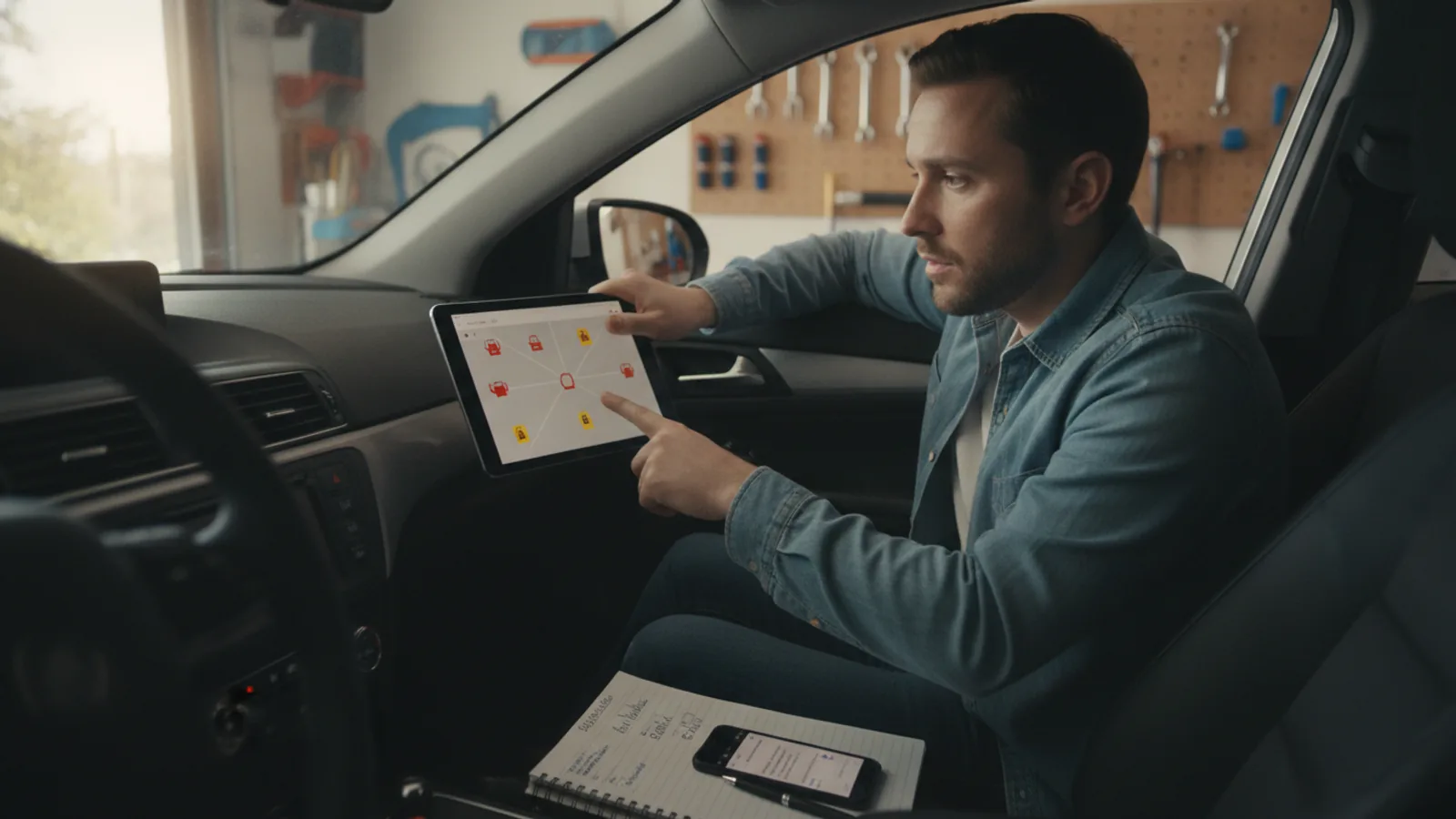
Start by identifying exactly which warning light is illuminated on your dashboard. Look closely at the symbol, color, and whether it is steady or flashing. The owner's manual is the best resource for an accurate description. If you don't have the manual, search online using a descriptive phrase like 'red oil can symbol on dashboard' or 'yellow engine light.' Be specific about the shape and color. Take a photo of the light with your phone if possible, so you can refer to it later. Also note the exact time it appeared and what you were doing, such as accelerating, idling, or driving uphill. This initial identification helps you determine if the issue is urgent or can wait until a scheduled visit. It also gives you key information to share with the mechanic. If the symbol is unfamiliar, treat it as potentially serious until you learn otherwise. Reach for your manual or a reliable source before taking any further steps.
Check the owner's manual for meaning
Once you know the symbol, open your owner's manual to the dashboard indicators section. Look up the exact symbol and read its description carefully. The manual will tell you what the light means, whether it is safe to drive, and what immediate actions to take. For example, a yellow engine-shaped light might indicate an emissions problem, while a red thermometer indicates overheating. Pay attention to phrases like 'continue driving' or 'stop immediately.' If your manual is missing, search online using the exact symbol name and your vehicle's make and model. Many manufacturers provide free online manuals. If you still cannot find a clear answer, call a trusted mechanic or roadside assistance. They can give you guidance based on the symptom. Write down the manual's advice, especially if it says to check something yourself. This information is valuable when you talk to the garage because it shows you have done your homework. It also helps you decide whether to book an immediate appointment or wait a day or two.
Assess the situation safely
Before you do anything else, assess whether it is safe to continue driving or if you should stop. Consider the color and behavior of the light: red or flashing usually means stop, while yellow or steady may allow limited driving. Also think about the vehicle's behavior. Does it feel safe to drive, such as no strange noises, no smoke, and normal steering? If the light is red or the engine is overheating, pull over to a safe spot, turn off the engine, and call for assistance. If the light is yellow and the vehicle seems to run fine, you may be able to drive to a nearby garage or home, but avoid long trips. Use your senses: smell for burning, listen for unusual sounds, and watch when the light first appeared. Write down these observations because they are critical for diagnosis. Never take unnecessary risks. A few minutes of caution can prevent a breakdown or an accident. When in doubt, err on the side of caution and get professional advice before driving further.
Perform basic self-checks
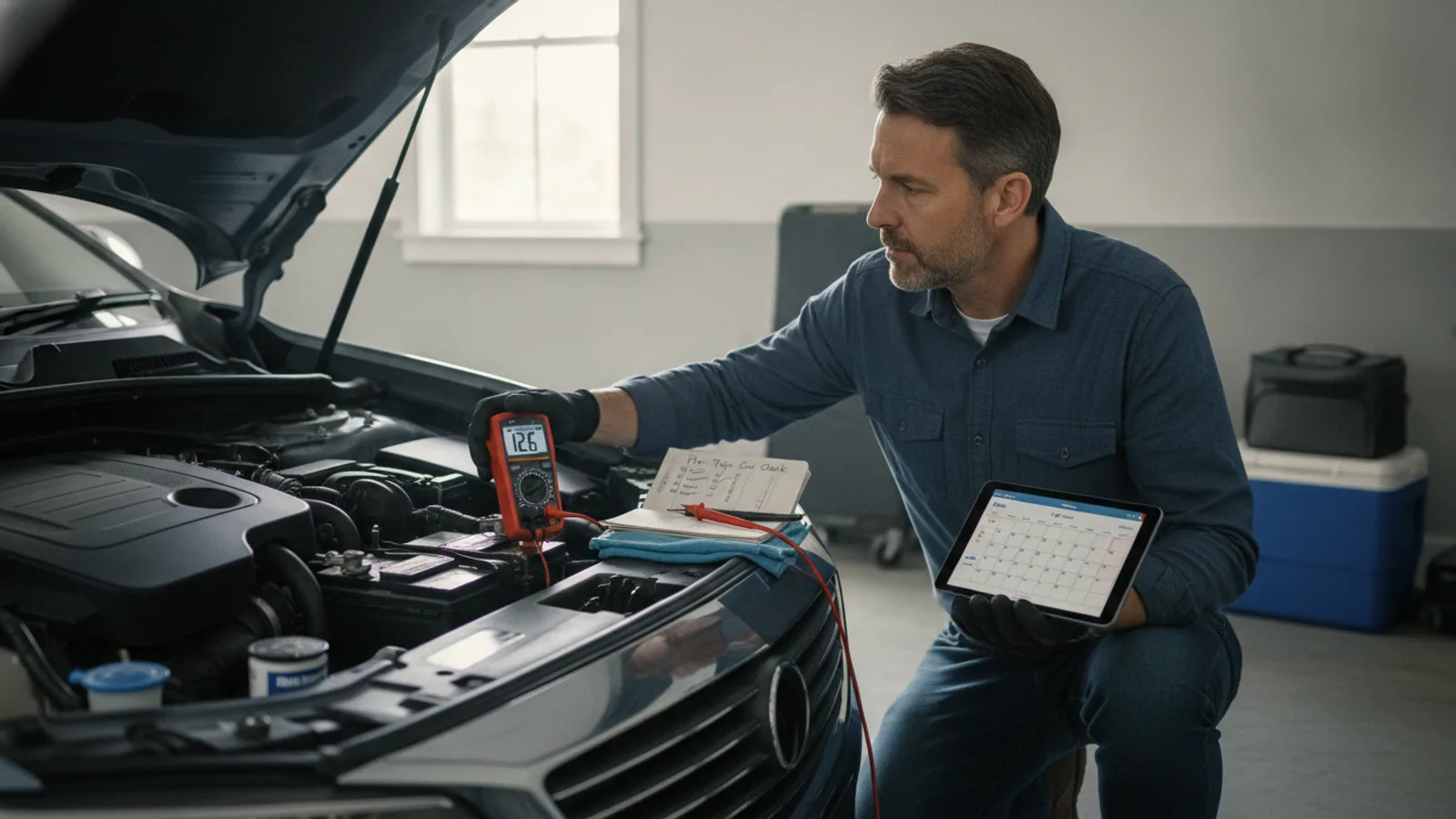
If the warning light is not urgent, you can perform some basic checks yourself. These usually require no special tools. Start with the fuel cap: remove it and replace it tightly until you hear a click. A loose cap causes many emissions warning lights. Next, check the oil level using the dipstick. Wipe it, reinsert it, and pull it out to see the level. Add oil if it is low, but only if you have the correct type. Also check coolant level when the engine is cold. Do not open the radiator cap when hot. Inspect the air filter if accessible. Some warning lights, like the tire pressure light, require a tire gauge. Check tire pressures and inflate to the recommended PSI listed on the driver's door sticker. Do not forget to check the spare tire. These simple checks may turn off the light or help you describe the problem better. Write down what you find, such as low oil or low tire pressure. This information is useful for the mechanic.
Record symptoms and conditions
To help the mechanic diagnose the problem, record all symptoms and conditions accurately. Start by noting the date, time, and outside temperature. Write down what you were doing when the light appeared: was the engine cold or warm, were you accelerating, braking, or idling? Describe any related sounds, smells, or vibrations. For example, a rumbling noise may indicate exhaust trouble, or a sweet smell may be coolant. Also note whether the light is steady or blinks, and if it goes off by itself. Record your recent driving patterns, such as frequent short trips or long highway drives. Include any recent maintenance or repairs. This timeline gives the mechanic valuable clues. Write it all in a notebook or use a voice memo on your phone. When you call the garage, have these notes ready. Clear, detailed information cuts down on guesswork and helps the mechanic know what to test. It also shows you have been observant, which can lead to more accurate fixes.
Contact the garage with clear details
When you are ready to book the garage visit, call or message them with a clear summary. Describe the warning light, the conditions under which it appears, and the symptoms you have noticed. Mention any self-checks you performed and their results. For example, say, 'The engine light is yellow and steady. It came on during morning commute. I checked the fuel cap and it was loose. I tightened it, but the light stayed on.' This specificity helps the garage decide whether they need a diagnostic scan, which part to inspect, and how to schedule your appointment. If they recommend a diagnostic test, ask about the process. Also ask if there is any way to confirm the exact issue before you bring the vehicle. They may be able to run a code reader remotely or ask you to wait. Be prepared to share your vehicle's year, make, model, and VIN if needed. Arrange a time when you can leave the vehicle if necessary.
Quick Reference
| Situation | Action | Why it helps |
|---|---|---|
| Red warning light such as oil pressure or engine temperature appears while driving. | Pull over safely, turn off the engine, and call for roadside assistance or a mechanic right away. | Red or flashing lights often indicate a critical issue that could cause immediate damage or a breakdown, so you should stop driving to avoid further harm. |
| Yellow engine-shaped light comes on, but the vehicle seems to run normally. | Check the fuel cap, note the time and conditions, and book a garage appointment within a week. | A steady yellow light usually signals a non-urgent issue like an emissions problem, but ignoring it could lead to more serious damage or failed inspection. |
| Tire pressure warning light illuminates, and the tires look slightly underinflated. | Use a tire gauge to check all tires, inflate them to the pressure listed on the driver's door sticker, and recheck the light. | Low tire pressure is unsafe, increases fuel consumption, and can wear tires unevenly. Correcting it yourself is quick and may turn off the light. |
Common Issues
- The fuel cap is loose or faulty, causing the emissions warning light to stay on.: Remove the cap and reinstall it until you hear three clicks. If the cap is damaged, replace it with a new one recommended for your vehicle.
- Low engine oil level triggers the oil pressure warning light.: Check the dipstick and add the correct grade of oil to bring the level within the safe range. If the light stays on, consult a mechanic immediately.
- A faulty oxygen sensor or mass airflow sensor causes the check engine light to stay on.: Search online for common symptoms, but avoid guessing. Have a mechanic run a diagnostic scan to identify the exact sensor and replace it if needed.
Advanced Tips
- If the light disappears and does not return, the issue may be intermittent. Still do not ignore it; schedule a diagnostic check at your earliest convenience.
- Some vehicles have a 'multi-information display' that shows a message with the warning light text. Use the controls to read the message and write it down.
- Avoid resetting the warning light by disconnecting the battery unless you are certain the problem is fixed. This can clear diagnostic codes and hide the issue from the mechanic.
Final Checklist
- Identify the exact symbol and color of the warning light and record the time and conditions.
- Check the owner's manual or a reliable online source for the light's meaning and urgency level.
- Perform basic self-checks like fuel cap, oil, coolant, and tire pressure, noting any findings.
- Call the garage with a clear description of the warning and any symptoms to book a visit.
FAQ
Can I drive with a yellow engine light on?
A steady yellow light often indicates a non-urgent issue, but it is best to limit driving and book a garage visit soon. If the light flashes or red, pull over immediately because it signals a serious problem that could cause damage.
Why did my warning light turn off on its own?
Sometimes a minor issue, like a loose gas cap or a temporary sensor glitch, can turn the light off. However, the underlying concern may not be fully resolved, so you should still have the vehicle checked to prevent future problems.
Do I need a special tool to check diagnostic trouble codes?
You can buy an OBD-II scanner, but you can also visit a mechanic or auto parts store that offers free code reading. Before you do, ensure the scanner is compatible with your vehicle's make and year.