How To Plan A Pre Purchase Check For A Used Family Car
A practical step-by-step guide to how to plan a pre-purchase check for a used family car, including preparation, instructions, common issues, tips, and next steps.
How To Plan A Pre Purchase Check For A Used Family Car
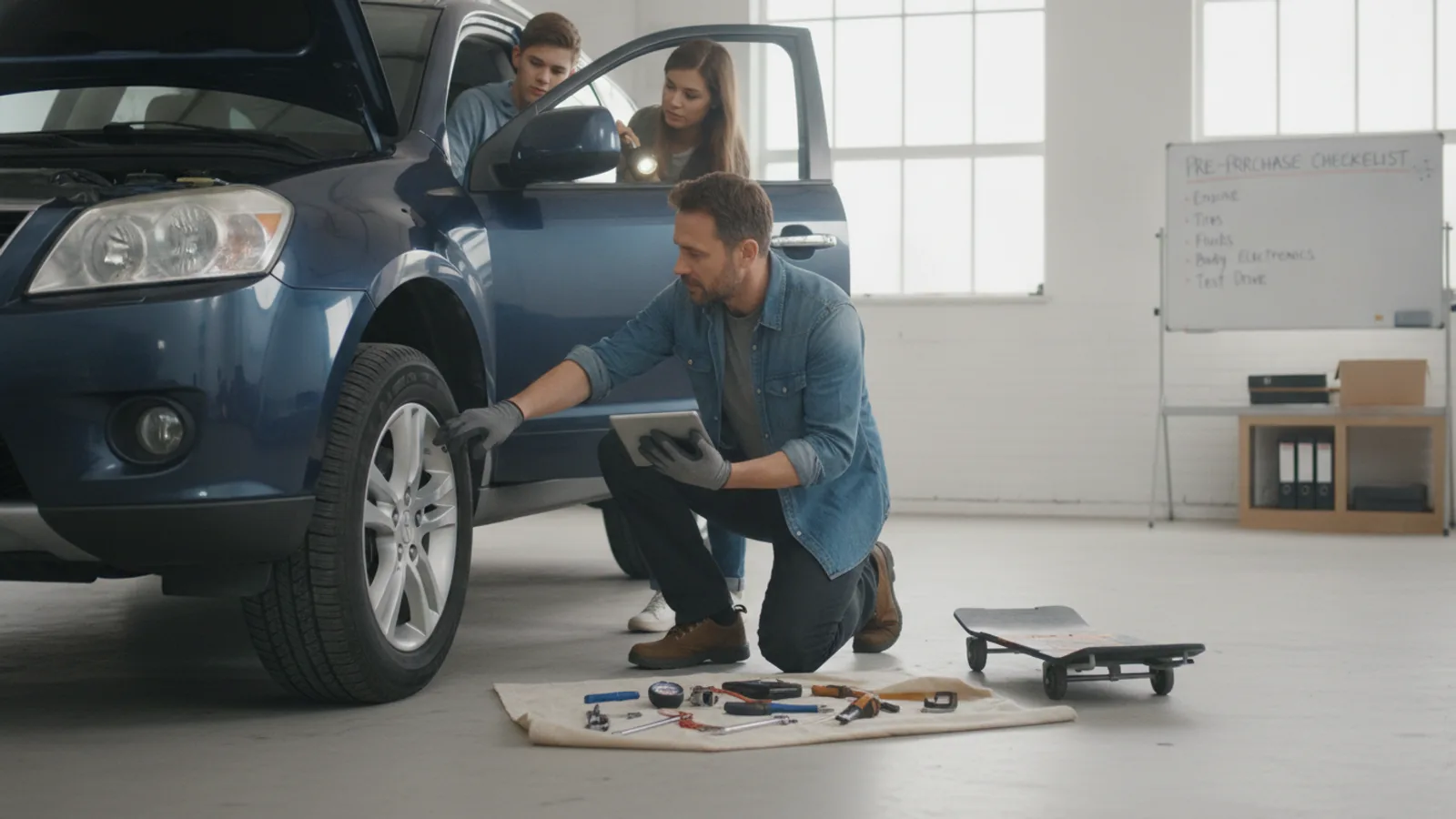
Planning a pre-purchase check for a used family car is essential to avoid costly surprises and ensure the safety and reliability of your purchase. This guide covers everything from preparing your budget and researching models to conducting a detailed inspection and test drive. You'll learn what documents to review, which areas of the car to examine closely, and how to ask the right questions. The goal is to walk away with confidence, knowing you did your due diligence and selected a car that meets your family's needs without hidden issues.
Fast Answer
- Start your pre-purchase check by researching the car's history report and comparing prices for similar models in your area to establish a fair value.
- Always have a trusted mechanic perform a pre-purchase inspection before you commit to buying, even if the car seems perfect.
Before You Start
- Set a strict budget that includes not just the purchase price but also taxes, registration, insurance, and an allowance for immediate repairs or new tires.
- Make a list of your family's must-have features such as safety ratings, seating capacity, cargo space, fuel efficiency, and reliability records.
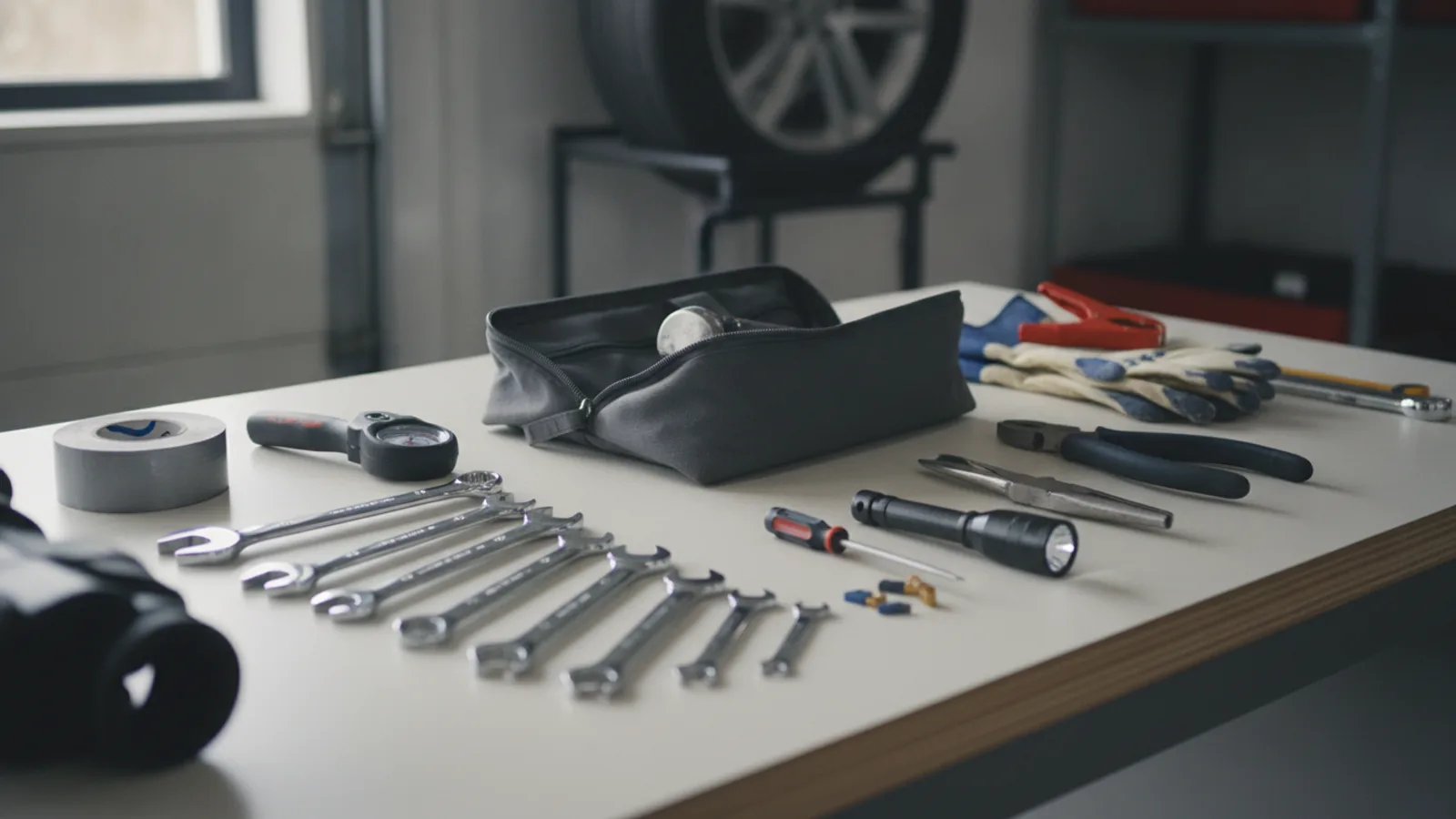
- Gather necessary tools for your inspection: a flashlight, a small mirror, a tire tread depth gauge, a magnet, and a phone with a notepad app.
- Schedule a pre-inspection with an independent mechanic you trust, and plan for a test drive route that includes both city streets and highway speeds.
Step-by-Step Instructions
Check the Vehicle History and Ownership
Begin your pre-purchase check by obtaining the vehicle's history report. You can do this by using the car's vehicle identification number (VIN) and requesting a report from a reputable provider. This report will show you important details like previous accidents, title status (e.g., if it was rebuilt), and odometer readings over time. Also ask the seller for maintenance records, and look for a pattern of regular oil changes and other scheduled services. If the seller cannot provide these documents, be cautious. A vehicle history report can reveal red flags, such as flood damage or a branded title, which would make the car risky and hard to insure. Remember, a clean report doesn't guarantee the car is perfect, but it alerts you to major issues that could affect safety and value. If the report shows discrepancies between the odometer and the actual mileage on the dashboard, walk away immediately.
Perform a Detailed Exterior Inspection
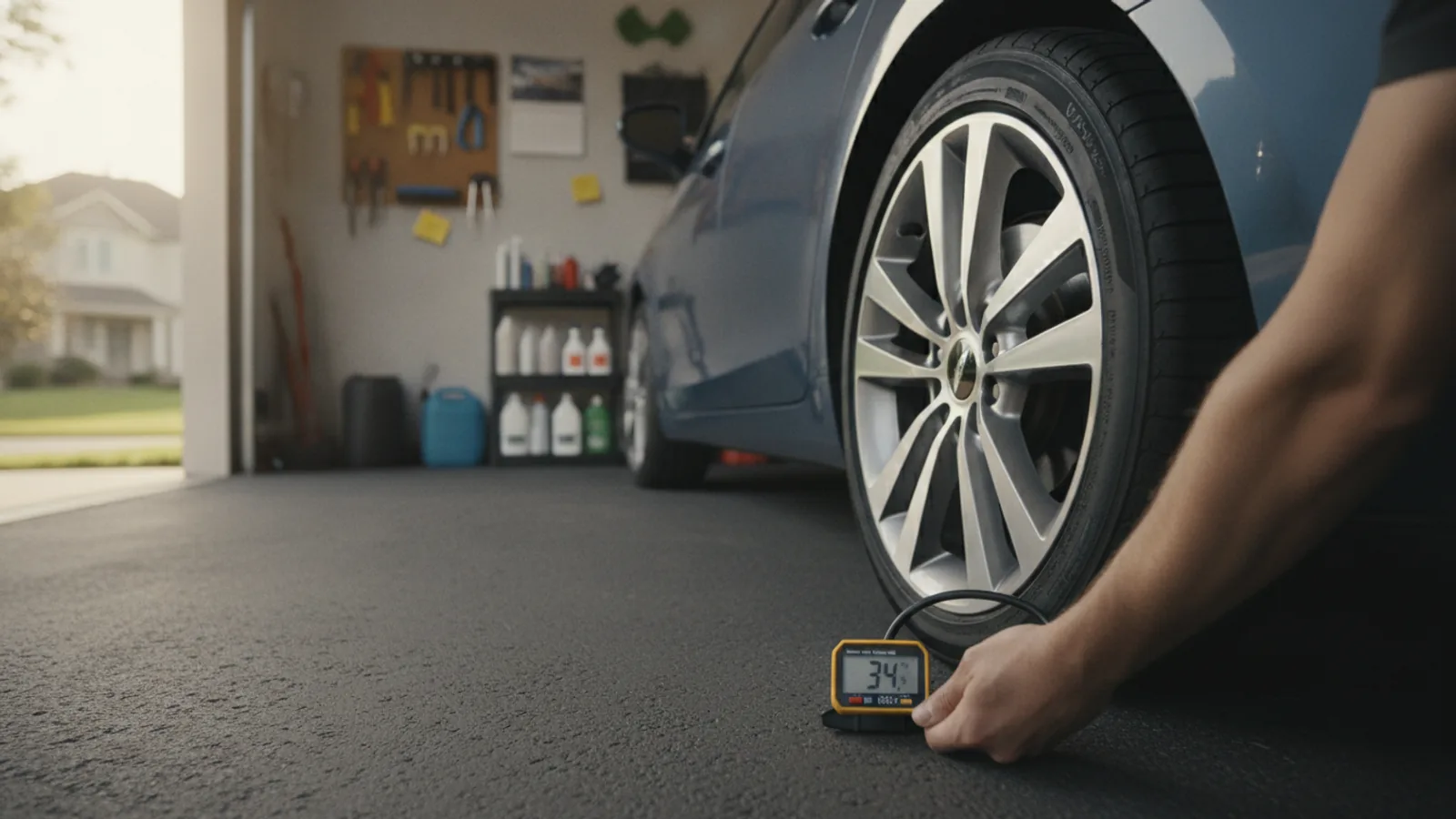
With your flashlight and mirror, walk around the entire car and examine the body panels closely. Look for any signs of rust, dents, or scratches that could indicate previous accidents or poor maintenance. Use the magnet to check for body filler by gently placing it on various panels; if it doesn't stick, there is probably filler. Check the gaps between panels to ensure they are even, and inspect the paint for any color mismatches, which may suggest repainting. Examine the tires, including the spare, for even wear across the tread. Use your tire tread depth gauge to measure the grooves—if they are below the minimum safe limit, they need replacement. Look at the suspension by pressing down on each corner of the car; it should bounce once and then settle. Also inspect the headlights, taillights, and lenses for cracks or moisture. The exterior tells you a lot about how the previous owner treated the car. If you spot signs of careless repairs or neglect, the mechanical condition may be questionable too.
Inspect the Engine Bay and Fluids
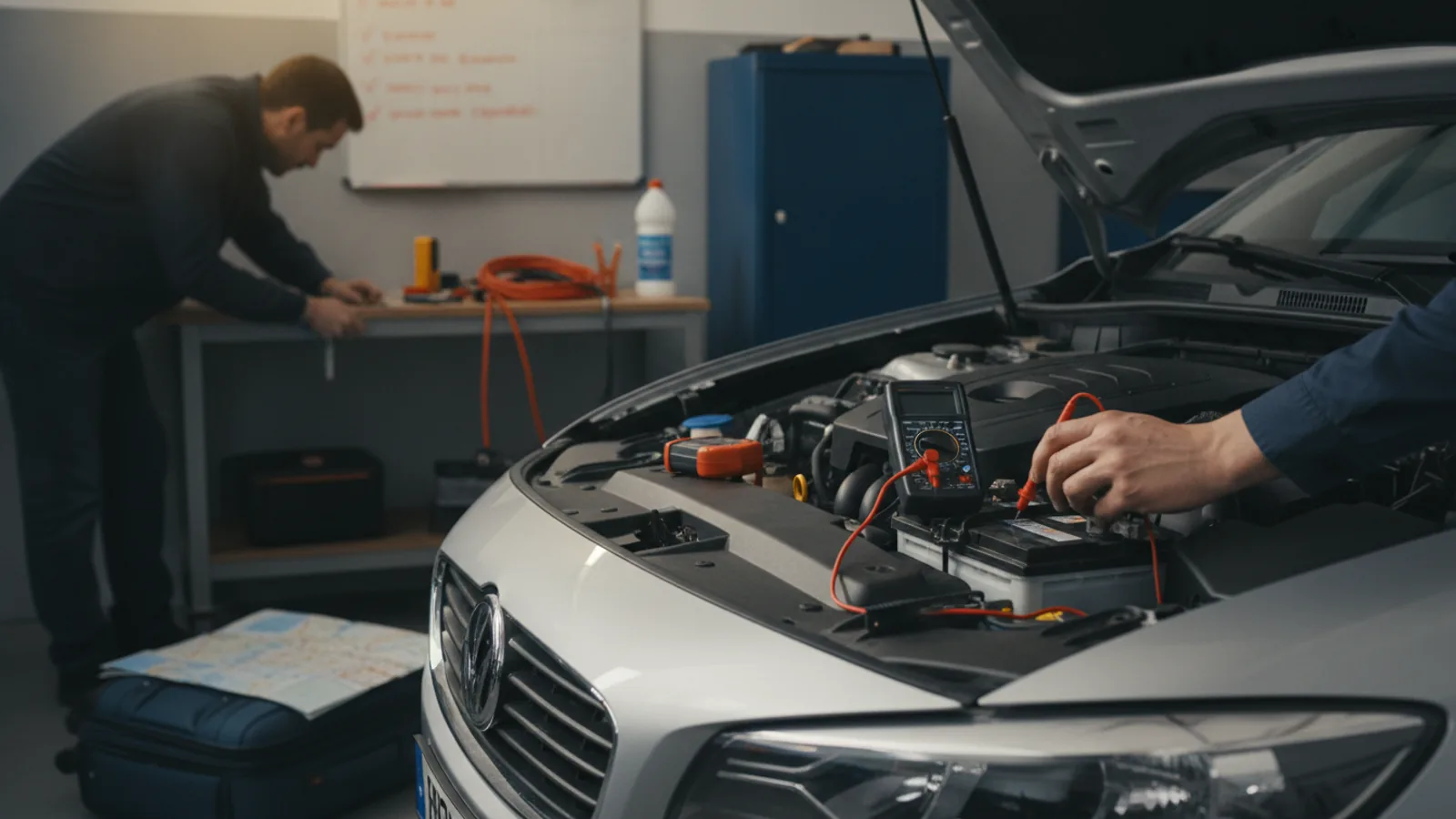
Open the hood and carefully examine the engine compartment. Look for any signs of oil leaks, such as dark stains on the engine block or under the car. Check the condition of the coolant, oil, and transmission fluid by pulling out their dipsticks and looking at the color and consistency. The engine oil should be amber or light brown, not dark and gritty. Coolant should be a bright color, like orange or green, and not cloudy or muddy. Inspect the battery for any corrosion on the terminals and ensure it's securely mounted. Listen to the engine while it's idling; it should run smoothly without any odd noises like ticking or knocking. Look at the drive belts and hoses for cracks or fraying. A well-maintained engine compartment usually indicates that the previous owner followed regular maintenance. If you see sludge or overfilled fluids, it could signal neglect or overheating problems. Remember, you can't hear every engine issue, so a mechanic's inspection is still essential, but your own visual check will help you spot obvious problems and prepare questions for the mechanic.
Evaluate the Interior and Features
Sit in the driver's seat and adjust it, along with the steering wheel and mirrors, to see if everything works smoothly. Test all the interior features, including the air conditioning, heater, power windows, locks, and the infotainment system. Pay attention to any warning lights on the dashboard when you start the car; they should all turn off after a few seconds, except maybe the seatbelt reminder. Push the buttons on the sunroof, if equipped, and ensure it opens and closes without sticking. Look at the seatbelts for fraying or damage, and check the airbag covers for anything unusual. Examine the upholstery and floor mats for excessive wear or stains that might indicate heavy use. Climb into the third row if it's a seven-seater and check that there's adequate legroom and that the seats fold flat easily. A comfortable family car protects your investment and reduces stress, but more importantly, a broken feature or a malfunctioning safety system could be expensive to repair and impact your family's safety.
Test Drive the Car on Various Roads
Take the car for a thorough test drive that includes local streets, a freeway, and maybe a steep hill. Start the engine and let it idle while you feel for any vibrations. As you drive, take note of the acceleration—it should be responsive without any hesitation. Test the brakes by pressing firmly from a high speed; the car should stop straight and without pulling to one side. Listen for a grinding noise, which might indicate worn brake pads. Try the steering: the car should handle smoothly without any looseness in the wheel. Switch on the air conditioning and heater to see if they blow cold and hot air respectively, and check if the fan works at different speeds. Also, make a full turn in a parking lot and listen for any clicking sounds from the CV joints. While driving on the highway, note any excessive wind noise or vibration in the steering wheel, which could signal a wheel balancing issue. The test drive is your last chance to assess the car's real-world performance. If something feels off, trust your instinct and investigate further or walk away.
Order a Professional Pre-Purchase Inspection
Even if your own checks appear fine, arrange for an independent mechanic to inspect the car. Let the seller know in advance, and schedule a time to take the car to your chosen shop. The mechanic will do a comprehensive evaluation, including a computer diagnostic scan, checking the brakes, inspecting the undercarriage for leaks or corrosion, and reviewing the overall condition of the drivetrain. They might also test the air conditioning and check for any pending trouble codes. This inspection typically takes about an hour, so be prepared to wait. Once you receive the report, study it carefully. If the mechanic lists minor issues, you can use them to negotiate the price, but if they find major problems like a failing transmission, it's wise to pass on the purchase. Remember, the inspection cost is a small price compared to potential repair bills for a mystery problem. You'll leave the inspection with a clear picture of the car's health and a good basis for making a final decision.
Quick Reference
| Situation | Action | Why it helps |
|---|---|---|
| The seller says they don't have a vehicle history report. | Obtain the report yourself using the VIN from a national database, and review it carefully before proceeding. | A missing report may indicate hidden accident or title problems that can affect safety and value. |
| During the test drive, you hear a clunking sound when turning. | Perform a second test drive over a quiet street and listen from both sides, then have a mechanic check the CV joints and suspension. | Clunking often points to worn axles or ball joints, which can be costly to repair and a safety hazard. |
| The dashboard shows a 'Check Engine' light after starting the car. | Ask the seller for a diagnostic scan, and if they can't provide one, insist on a professional inspection before buying. | An illuminated check engine light indicates an emissions or engine problem that could be expensive and require immediate attention. |
Common Issues
- Body panels have mismatched paint shades and wavy lines.: Take the car to a trusted body shop for an estimate, and have a mechanic check for any underlying frame damage that might have been poorly repaired.
- The car drifts to the right when you release the wheel.: Get a wheel alignment check and inspect the tires and suspension components for wear, as this issue often indicates an alignment problem or worn parts.
- There is a strong smell of gasoline inside the car.: Do not drive the car; ask the seller to have the fuel system and vapor recovery system inspected by a professional immediately.
Advanced Tips
- If you plan to keep the car for many years, research the typical repair costs for that model, such as transmission or timing belt replacements, to forecast long-term maintenance expenses.
- Take the car to a trusted independent shop, not a dealership, for the inspection, as they have no incentive to sell you a car and will give you an unbiased assessment.
- Ask the seller for the name of the last mechanic who serviced the car; call that mechanic to verify the condition and any recent repairs.
Final Checklist
- You have reviewed a clean vehicle history report and all maintenance records.
- Your visual inspection of the exterior, interior, and engine bay revealed no obvious defects.
- A professional mechanic's inspection has confirmed there are no major mechanical or safety issues.
- You are comfortable with the car's fit for your family, verified by a test drive and child seat check.
FAQ
Should I buy a used family car from a private seller?
Private sellers often have lower prices, but they offer no buyer's protection. It's essential to do a thorough inspection and get a professional check. If the seller refuses an independent inspection, that's a major red flag.
What's the most important thing to check in a used family car?
Safety is paramount, so check for a clean history report, intact airbags, functional seatbelts, and the overall structural integrity. But also ensure it runs reliably, because the inconvenience of breakdowns could be detrimental.
How can I negotiate the price after a pre-purchase inspection?
If the mechanic identifies any issues, you can use the repair estimates as leverage in negotiations. Ask the seller to either fix the problems or reduce the price accordingly. But if the issues are severe, it may be better to walk away.