What To Check Before A Compact Toolkit For First Time Car Owners
A practical step-by-step guide to what to check before a compact toolkit for first-time car owners, including preparation, instructions, common issues, tips, and next steps.
What To Check Before A Compact Toolkit For First Time Car Owners
Before assembling a compact toolkit for your first car, you need to assess your vehicle's specific needs, your driving habits, and your skill level, while also considering storage space and legal requirements. A well-chosen toolkit helps you handle minor roadside issues and emergencies without carrying unnecessary items. This guide outlines the essential checks to ensure your toolkit is practical, complete, and tailored to your situation, helping you feel prepared and confident as a new car owner.
Fast Answer
- Check your vehicle's owner's manual for recommended tools and spare parts, and verify the location of essential items like the jack and spare tire.
- Evaluate your typical driving conditions and distances to decide which tools and supplies are most useful, such as a tire repair kit for long commutes or extra blankets for cold climates.
Before You Start
- Review your vehicle's owner's manual to identify the exact size of the lug wrench needed for your wheels and the correct jacking points, ensuring you carry tools that fit properly.
- Assess your driving environment, including climate, road types, and commute length, to prioritize items like a snow scraper, tow strap, or portable air compressor.
- Determine your personal mechanical skill level honestly; if you are not confident in repairs, focus on items that enable safe waiting and simple fixes like tire pressure checks.
- Measure the available storage space in your trunk or under-seat compartments to choose a toolkit size that fits without consuming all your cargo room.
Step-by-Step Instructions
Gather Essential Documents and Emergency Numbers
Begin by gathering the documents you might need in an emergency: your vehicle registration, insurance information, and an emergency contact list. Store these in a waterproof pouch inside your toolkit. This ensures you can provide the necessary paperwork if you are involved in an incident or need assistance. Having your roadside assistance provider's phone number accessible is critical; keep it in your phone and also written down as a backup. Even if you have digital copies, paper backups are useful when your phone battery dies. Additionally, include a list of any medical conditions or allergies that first responders might need to know. This preparation takes only a few minutes but can significantly reduce stress in an emergency. It also helps you comply with local laws requiring you to carry these documents. Check your glove box and existing car manual for any documents already there, and update them regularly.
Evaluate Your Vehicle's Specific Needs
Before buying any tools, inspect your vehicle to understand what it specifically requires. Start by reading the owner's manual thoroughly—it usually includes a section on recommended maintenance tools and emergency items. Note the exact size of your lug nuts; you may need a specific socket size for your wheel lugs. Also, check if your car uses a standard screwdriver or a specialized tool to access the spare tire. Look under the hood to see if there are any unusual fasteners that require a particular type of wrench. If your car has a space-saver spare tire, you might need an adapter for the jack. Additionally, identify the jacking points beneath your vehicle to ensure you have the correct jack type and know where to place it safely. This step is crucial because using the wrong tools can damage your vehicle or cause injury. Take notes and keep them with your toolkit as a reference. If you are unsure about any component, consult a mechanic or the manufacturer's customer support.
Choose a Durable and Weatherproof Storage Box
Select a storage container that is sturdy, waterproof, and designed to survive temperature extremes. A plastic or metal toolbox with a secure latch is ideal. Soft bags are less protective and can allow moisture to damage tools. Measure the space in your trunk where you plan to store the box, and ensure it fits without sliding around. Consider a non-slip mat or a tie-down strap to keep it in place. Weatherproofing is essential because tools can rust and documents can become damaged if exposed to water. Look for a box with a rubber gasket seal to prevent moisture ingress. Additionally, choose a color that is easy to see in low light, such as bright orange or yellow, so you can find it quickly in an emergency. The box should be small enough to leave room for other trunk items but large enough to hold all essentials without cramming. Avoid overloading it, as an overly heavy box is difficult to lift and may cause back strain.
Select Tools Based on Your Driving Environment
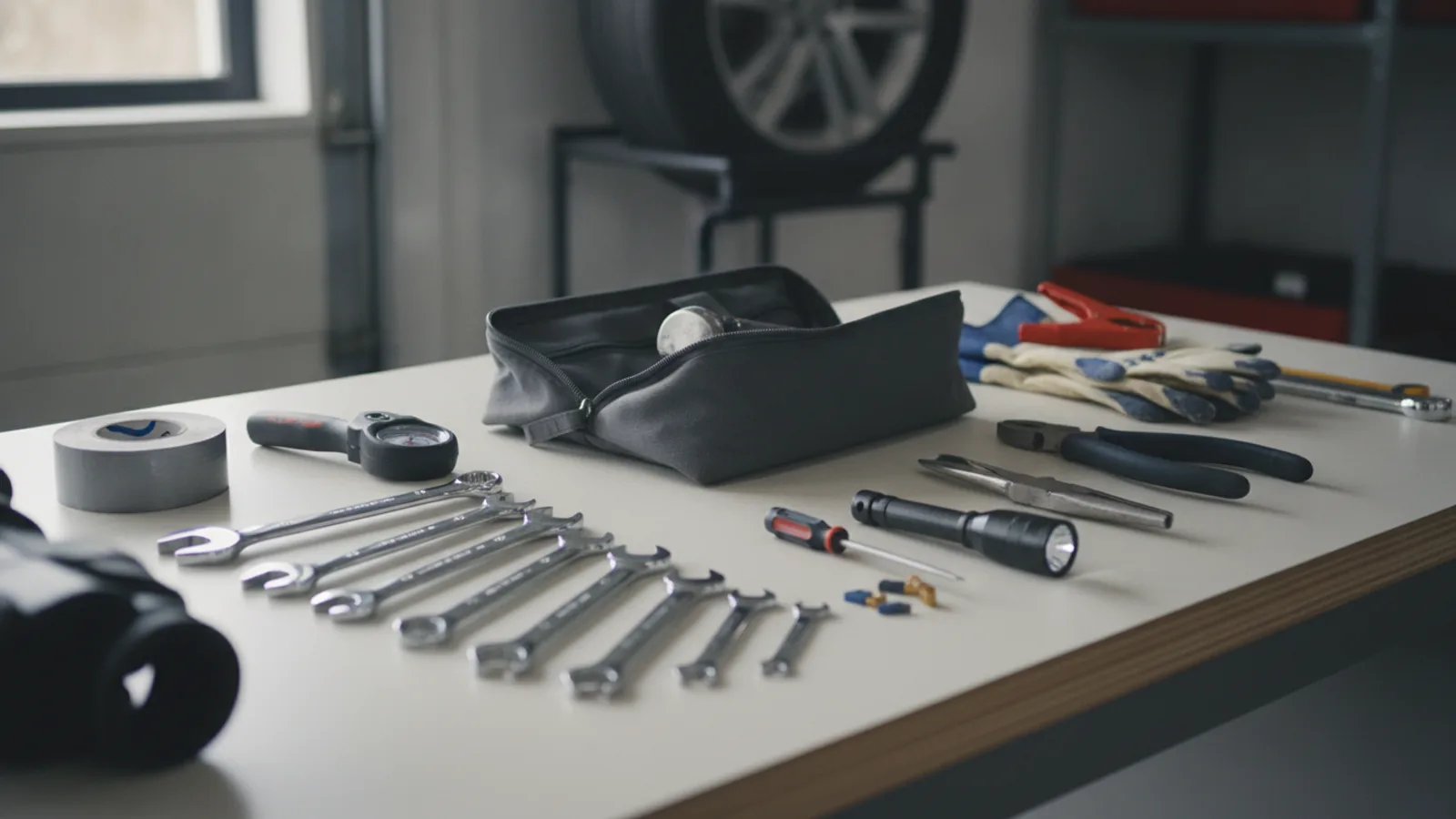
Tailor your tool selection to the conditions you typically drive in. For city driving, emphasize items like a tire pressure gauge, a flashlight, and basic hand tools for minor adjustments. For highway or long-distance travel, include a portable air compressor and a tire repair kit, as you may be far from help. For cold climates, add an ice scraper, a snow shovel, and a bag of sand or cat litter for traction. For hot climates, include extra coolant and engine oil. If you drive on rough terrain, consider a tow strap and a first-aid kit with extra supplies. Also, think about the age of your car: older vehicles may need more tools like fuses and belts. Your personal skills matter too—if you are comfortable changing a tire, you need the right lug wrench; if not, include a can of tire sealant as a temporary fix. Do not carry every possible tool; instead, choose items that address realistic scenarios for your routes and frequency of travel.
Prioritize Safety and Emergency Items
Beyond tools, your toolkit must include safety and emergency supplies. Begin with a well-stocked first-aid kit that includes bandages, antiseptic wipes, adhesive tape, scissors, and gloves. Add a high-visibility warning triangle or reflective vest to alert other drivers if you are stopped on the roadside. A fire extinguisher rated for automotive use is a wise addition, especially if you drive an older vehicle. Include a flashlight with extra batteries, or better yet, a wind-up or solar-powered flashlight. In cold areas, pack thermal blankets, hand warmers, and a portable phone charger. For hot weather, include water bottles and a hat. Also, carry a basic multi-tool that can serve as pliers, screwdriver, and knife. This saves space and provides versatility. Remember that safety items are non-negotiable—they can save your life in an emergency. Check the expiration dates on any first-aid supplies and replace them as needed. Store all items in a readily accessible location, and inform your family members where they are.
Regularly Review and Replenish Your Toolkit
A compact toolkit is not a set-it-and-forget-it item. Schedule a monthly review to ensure everything is present and in working order. Check that battery-operated items like flashlights have power, and replace batteries if needed. Inspect tools for rust or damage, and clean them to maintain effectiveness. Verify that any consumables like duct tape, zip ties, and tire sealant have not expired or become brittle. After using any item, item, replenish it immediately. For example, if you use a fuse, replace it with a spare from your stash. If you are uncertain how to use a particular tool, practice in your driveway so that in an emergency you are confident. Also, consider seasonal adjustments: in winter, add an ice scraper and gloves; in summer, add sunscreen and extra water. Update your emergency contact numbers if they change. This maintenance habit ensures that when you need your toolkit, it works as expected. It also helps you discover if your car's needs have changed, such as a different tire size after a replacement.
Quick Reference
| Situation | Action | Why it helps |
|---|---|---|
| You have a flat tire at night on a dark road. | Turn on hazard lights, move to a safe location if possible, and retrieve the toolkit along with the reflective triangle and flashlight. Then, consult the owner's manual to locate the jacking point and use the lug wrench to change the tire. | Safety first: the triangle warns other drivers, and the flashlight helps you see. Correct jacking prevents injury and damage, and following the manual ensures you use the right points for your specific vehicle. |
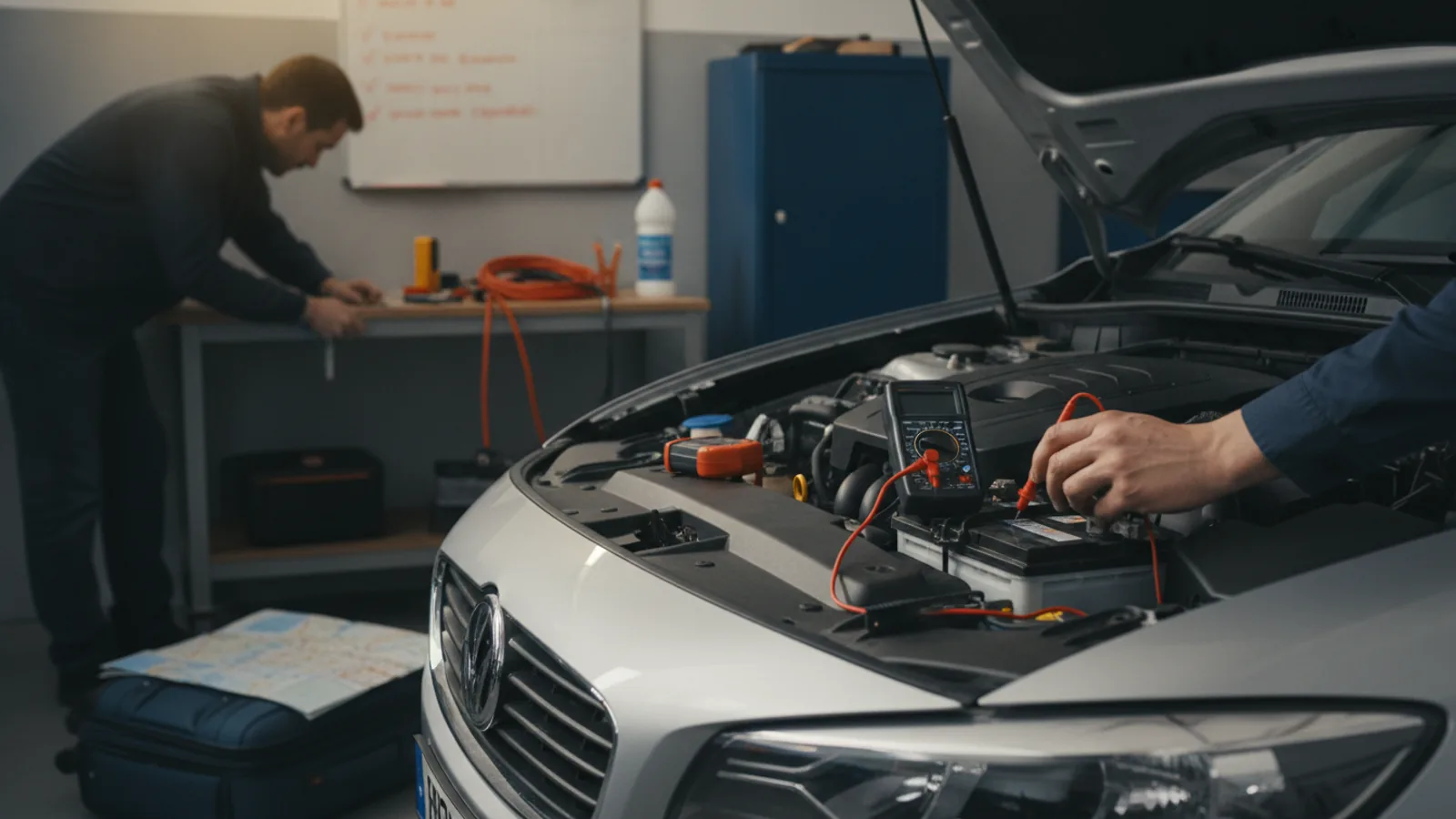
| Your car battery is dead and you need a jump start. | Find a nearby vehicle with cables, or use your portable jump starter if you have one. Ensure both cars are off, connect the red clamp to the positive terminal of the dead battery, the other red to the good battery, then black to the good battery's negative, and the final black to a metal ground on your car. | Properly connecting cables prevents sparks and damage to the electrical systems, and following the correct sequence reduces the risk of explosion or injury from hydrogen gas. |
| You have a loose hose or minor leak and need a temporary fix. | Use duct tape or rubber tape from your toolkit to wrap the hose tightly, and if you have coolant, top up the reservoir to allow you to drive to a service station. Do not open the radiator cap while the engine is hot. | A temporary seal reduces fluid loss, preventing overheating and further engine damage, but it is not a permanent repair, so seek professional help as soon as possible. |
Common Issues
- You bought a toolkit that includes many tools but none fit your car's lug nuts.: Check the owner's manual for the lug nut size and buy a separate socket that fits. Many kits have universal sockets, but they may not work with locking lug nuts. Always test the socket on one lug nuts at the store before relying on it.
- The flashlight in your toolkit stops working when you need it most.: Use an LED flashlight with high output and carry spare batteries in a waterproof container. Test it monthly and replace batteries at the start of each season. Alternatively, keep a wind-up or solar-powered light as a backup.
- Your toolkit box is too heavy, making it difficult to lift in an emergency.: Evaluate each item's necessity. Remove duplicate items, and replace heavy tools with lighter multi-tools. Consider a backpack-style organizer with padded straps for easier carrying. Distribute weight by placing small items inside the box and attaching heavier items to the outside.
Advanced Tips
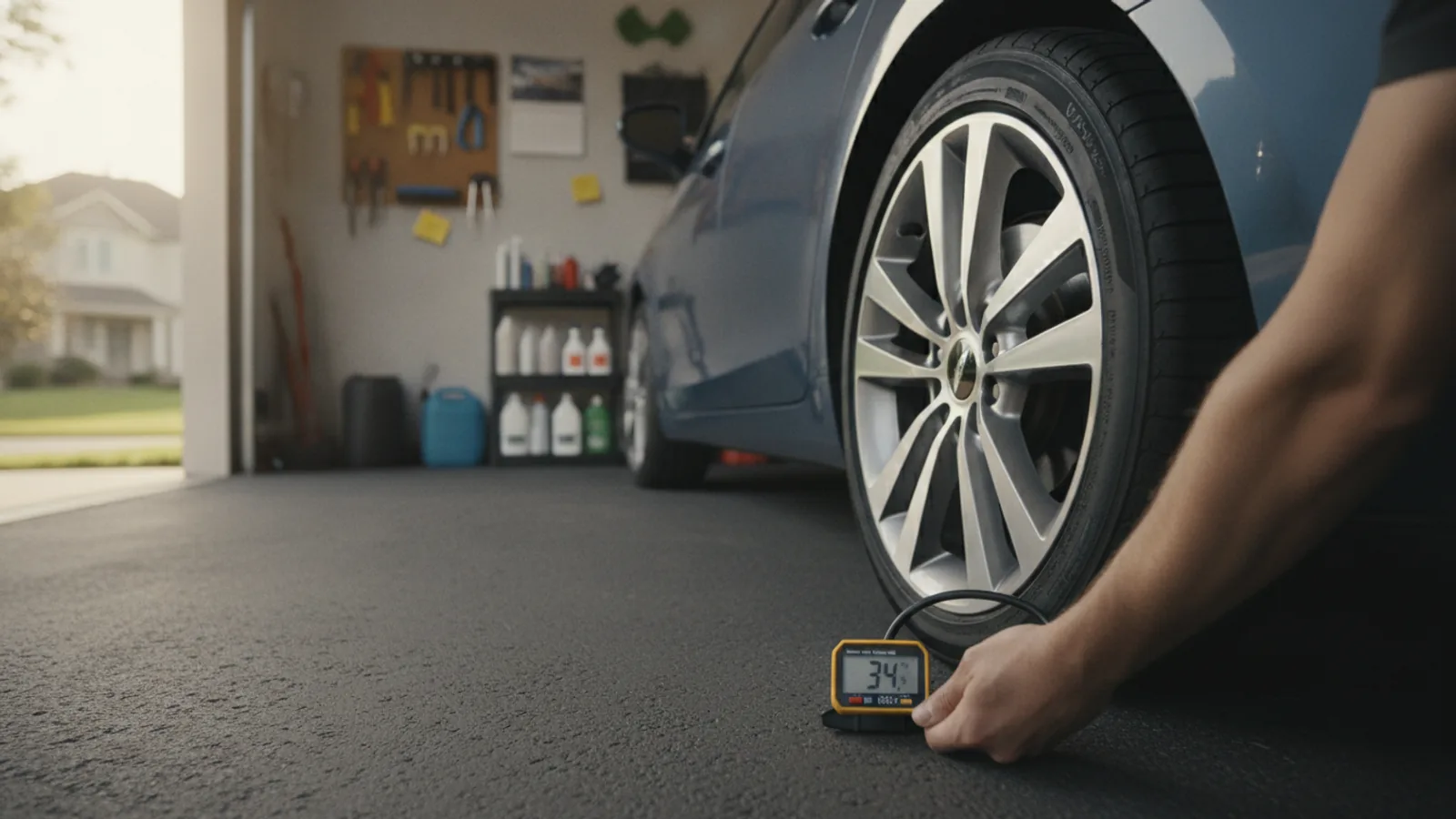
- Use a digital tire pressure gauge with a built-in light to easily check pressures at night, and keep it attached to the toolkit with a short lanyard.
- Add a roll of self-fusing silicone tape; it can wrap around leaks and hoses, creating a watertight seal that is more reliable than duct tape.
- Consider carrying a small solar charger for your phone, which can be indispensable if you are stranded for an extended period.
Final Checklist
- Verify that your toolkit contains all essential items listed in the guide, including documents, safety gear, and appropriate tools for your vehicle.
- Ensure every tool is in working condition, with no rust or damage, and that batteries for lights and electronics are fresh.
- Confirm that the toolkit is easily accessible in your trunk, not buried under other items, and that all family members know where it is.
- Review your owner's manual and update your toolkit after any vehicle changes, such as new tires or a battery replacement.
FAQ
Do I really need a toolkit if my car is new and has roadside assistance?
Yes, even with roadside assistance, you may need to wait a long time for help, especially in remote areas. Basic tools and supplies like a flashlight, tire pressure gauge, and first-aid kit enable you to handle minor issues yourself or stay safe while waiting. Roadside assistance typically does not cover things like a dead phone battery, and you may be in a situation where you can't place a call, so a toolkit is a practical addition.
What should I do if I don't know how to use any of the tools?
Start by learning a few basic skills, such as changing a tire, jumping a battery, and checking fluid levels. Read your owner's manual, and consider taking a basic car maintenance class at a community center or online. Practice using the tools in a safe area like your driveway, and watch tutorial videos from reputable sources. Knowing how to use your tools makes them effective in an emergency, and you'll gain confidence in handling minor car issues.
How often should I update the contents of my toolkit?
Review your toolkit every month to check for expired items, low batteries, and overall condition. After any use, restock immediately. Also, update it seasonally: add winter gear like ice scrapers and gloves in colder months, and extra water and sunscreen in summer. When you change your car, such as buying new tires or a battery, adjust the toolkit accordingly to match the new specifications.