What To Check Before A Car Battery Check Before A Long Trip
A practical step-by-step guide to what to check before a car-battery check before a long trip, including preparation, instructions, common issues, tips, and next steps.
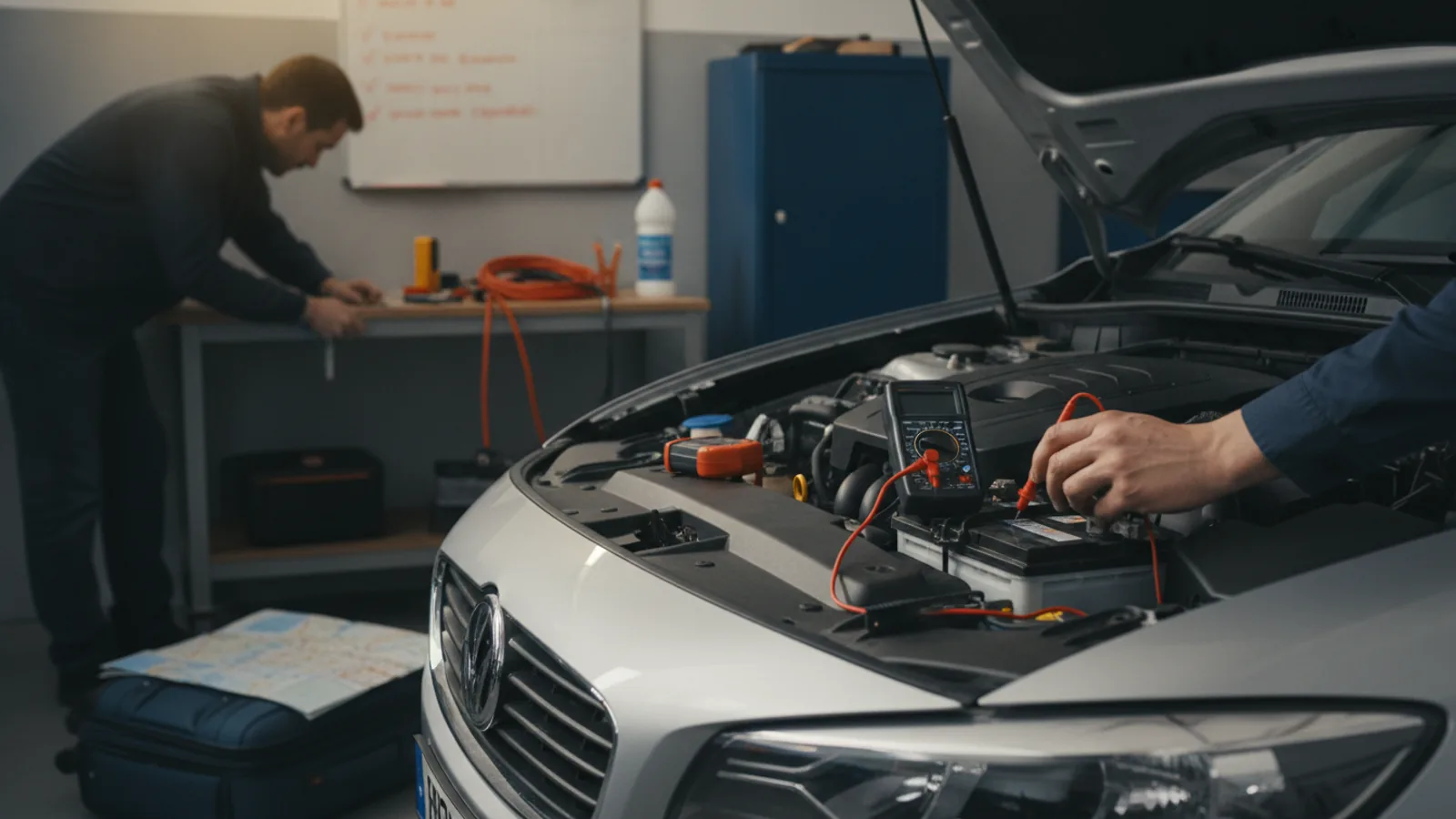
What To Check Before A Car Battery Check Before A Long Trip
Before leaving on a long trip, inspecting your car battery and the related electrical system can prevent an unexpected breakdown far from home. This guide explains the essential checks, from visual signs to load testing, and offers practical steps to confirm the battery is ready for many miles. You will learn how to spot corrosion, measure voltage, test the charging system, and address common issues, so you can travel with confidence. The advice is generic and applies to most vehicles, and it reminds you to consult your owner's manual for specifics. The goal is to help you complete a thorough battery review before departure, reducing the chance of being stranded.
Fast Answer
- Park on level ground, turn off the engine, and open the hood. Look for any swelling, cracks, or heavy corrosion on the battery case and terminals. If you see these, replace or clean before driving.
- Use a digital multimeter to check the resting voltage. A healthy battery reads about 12.6 volts. If it reads below 12.4 volts, charge it or have it tested before departure.
Before You Start
- Gather a digital multimeter, a wire brush or battery terminal cleaner, safety glasses, gloves, and a container of baking soda mixed with water for cleaning any corrosion.
- Read your owner's manual to locate the battery, which may be under a cover or in the trunk, and note any special precautions for your vehicle type.
- Plan a safe place to work, such as a well-ventilated garage or driveway, and ensure you have the necessary tools within reach before starting.
- Check the battery's age, if possible. Most car batteries last between three and five years. If it is near or past this age, consider having it load-tested by a professional.
Step-by-Step Instructions
Visual Inspection of Battery and Cables
Begin by opening the hood and examining the battery case for any obvious damage. Look for cracks, bulges, or leaks of fluid, which indicate that the battery is failing and needs replacement. Check the terminals and cable ends for a white or bluish powdery substance, which is corrosion that impedes electrical flow. Also, inspect the cables for fraying or loose connections. If you see any damage, plan to repair or replace parts before proceeding. This visual check is quick and can reveal many problems that would otherwise go unnoticed until the battery fails on the road. If the battery has a removable cap, check the electrolyte level, but only if it is safe to do so; many modern batteries are sealed and maintenance-free.
Clean Battery Terminals and Cables
If you find corrosion, remove the cables starting with the negative terminal (usually colored black and marked with a minus sign). Using a wrench, loosen the nut and gently twist the cable end to free it. Then disconnect the positive cable in the same manner. Mix a tablespoon of baking soda into a cup of water, and use an old toothbrush to scrub the terminals and cable ends until they shine. Rinse with clean water and dry completely. Reconnect the positive cable first, then the negative, tightening securely. Corrosion acts as a barrier, preventing the battery from delivering full power to the starter. Cleaning it ensures a strong connection, which is vital for reliable starts during your trip.
Measure Resting Battery Voltage
With the engine off and all accessories turned off, set your digital multimeter to the DC volts setting. Place the red probe on the positive terminal and the black probe on the negative terminal. Read the voltage displayed. A fully charged battery should read about 12.6 volts. If it reads below 12.4 volts, the battery is not fully charged, and you should charge it with a battery charger before testing further. If it reads below 12.2 volts, the battery may be sulfated or failing, so consider having it load-tested. This simple measurement gives you a baseline of the battery's state of charge, ensuring you start your trip with a full battery.
Perform a Load Test
The resting voltage does not reveal how the battery behaves under load. A load test applies a simulated electrical load to the battery while measuring voltage. Many auto parts stores offer this service free, or you can use a dedicated battery load tester. If you test yourself, follow the instructions on your device. Generally, you apply the load for about 15 seconds and observe the voltage. A healthy battery should stay above 9.6 volts during the test at room temperature. If it drops lower, the battery cannot deliver enough power for starting and should be replaced. If you do not have a tester, take your car to a professional for a load test, especially if the battery is more than three years old.
Inspect the Charging System
The battery works with the alternator to power the car and keep the battery charged. A faulty alternator can drain the battery during a trip. To check the charging system, start the engine and let it run. With the multimeter on the DC volts setting, place the probes on the battery terminals (red to positive, black to negative). The reading should be between 13.8 and 14.4 volts while the engine is running. If it is lower, the alternator may not be charging properly; if it is higher, it may be overcharging, which can damage the battery. Also, turn on the headlights and other accessories to see if the voltage drops significantly, which might indicate a weak alternator. A properly functioning charging system is crucial to maintaining the battery's charge over long distances.
Check for Parasitic Drain
Some electrical devices in the car draw a small amount of power even when the ignition is off, known as parasitic drain. This is normal, but excessive drain can leave the battery dead overnight. To test, ensure the engine is off and all accessories are off. Set your multimeter to the amps setting, then disconnect the negative battery cable and connect the multimeter in series between the negative terminal and the cable. Read the current draw. Most cars draw between 20 and 50 milliamps. If you see a draw greater than 100 milliamps, there may be a short or a module that is not sleeping. Check for interior lights that are on or a glove box light that stays lit. If the problem persists, you may need to have a professional inspect the electrical system.
Quick Reference
| Situation | Action | Why it helps |
|---|---|---|
| Battery is more than three years old and you are about to drive over 1000 miles. | Have the battery load-tested by a professional, or replace it if it fails the test, to ensure reliability. | Battery capacity drops with age, and a weak battery is more likely to fail under the stress of starting and long drives. |
| You see white or blue corrosion around the battery terminals. | Clean the corrosion with a baking soda and water solution, using a wire brush for stubborn deposits. | Corrosion increases electrical resistance, which can reduce charging and starting power, leading to a dead battery. |
| Your engine cranks slowly or takes longer to start than usual. | Check the battery voltage and have the battery and starting system tested at an auto service center. | Slow cranking often indicates a weak battery or poor connection, and identifying the cause early can prevent a breakdown. |
Common Issues
- Corrosion buildup on terminals: Clean the terminals with a wire brush and baking soda solution, then apply a light coat of petroleum jelly to prevent future buildup.
- Battery voltage below 12.4 volts after a full charge: Recharge the battery, and if it does not hold a charge, replace it, as it may have internal damage.
- Battery drains quickly overnight: Turn off all accessories and check for a parasitic drain using a multimeter; if a drain is found, locate the source, such as a faulty interior light switch.
Advanced Tips
- Use a battery maintainer or trickle charger if the car will be parked for more than two weeks to keep the battery fully charged.
- If your car has a keyless entry system, remember that the car's computer may wake up periodically, causing a small drain; ensure the battery is in good condition before long trips.
- When replacing a battery, choose one with the correct cold cranking amp rating for your vehicle, as specified in the owner's manual, to ensure reliable starts in cold weather.
Final Checklist
- Inspect the battery case for cracks, bulges, or leaks, and clean any corrosion from terminals.
- Measure the resting voltage and confirm it is at least 12.4 volts, or charge the battery fully.
- Test the charging system to ensure the alternator produces between 13.8 and 14.4 volts when the engine is running.
- If the battery is more than three years old, have it load-tested and replace it if it fails.
FAQ
How often should I check my car battery?
Check the battery at least once a month, especially before long trips. A visual inspection and a voltage test are simple and can catch problems early. Also, have the battery load-tested annually, especially once it is more than three years old.
What does a load test tell me?
A load test simulates the heavy current draw of starting the engine while measuring the battery's voltage. It tells you if the battery can deliver enough power under strain. If the voltage drops too much, the battery is weak and may soon fail.
Can I drive with a slightly low battery voltage?
A slightly low voltage, such as 12.2 volts, might be okay for short drives, but it is risky for a long trip. The battery may be failing or not fully charged. Charge the battery fully and test it. If it still reads low, consider replacement.