How To Plan A Tyre Pressure Routine For Safer Everyday Driving
A practical step-by-step guide to how to plan a tyre-pressure routine for safer everyday driving, including preparation, instructions, common issues, tips, and next steps.
How To Plan A Tyre Pressure Routine For Safer Everyday Driving
Planning a tyre-pressure routine helps you maintain proper inflation, which improves safety, extends tyre life, and enhances fuel efficiency. This guide will walk you through setting up a simple yet effective schedule, using the right tools, and adjusting for seasonal changes. You'll also learn how to identify and fix common pressure issues, making your daily driving safer and more reliable.
Fast Answer
- Check your tyre pressure at least once a month and before any long trip, using a reliable gauge when tyres are cold. This helps prevent uneven wear, blowouts, and poor fuel economy.
- Always use the vehicle manufacturer's recommended pressure, found in the owner's manual or on a sticker inside the driver's door. Adjust as needed for load or temperature changes.
Before You Start
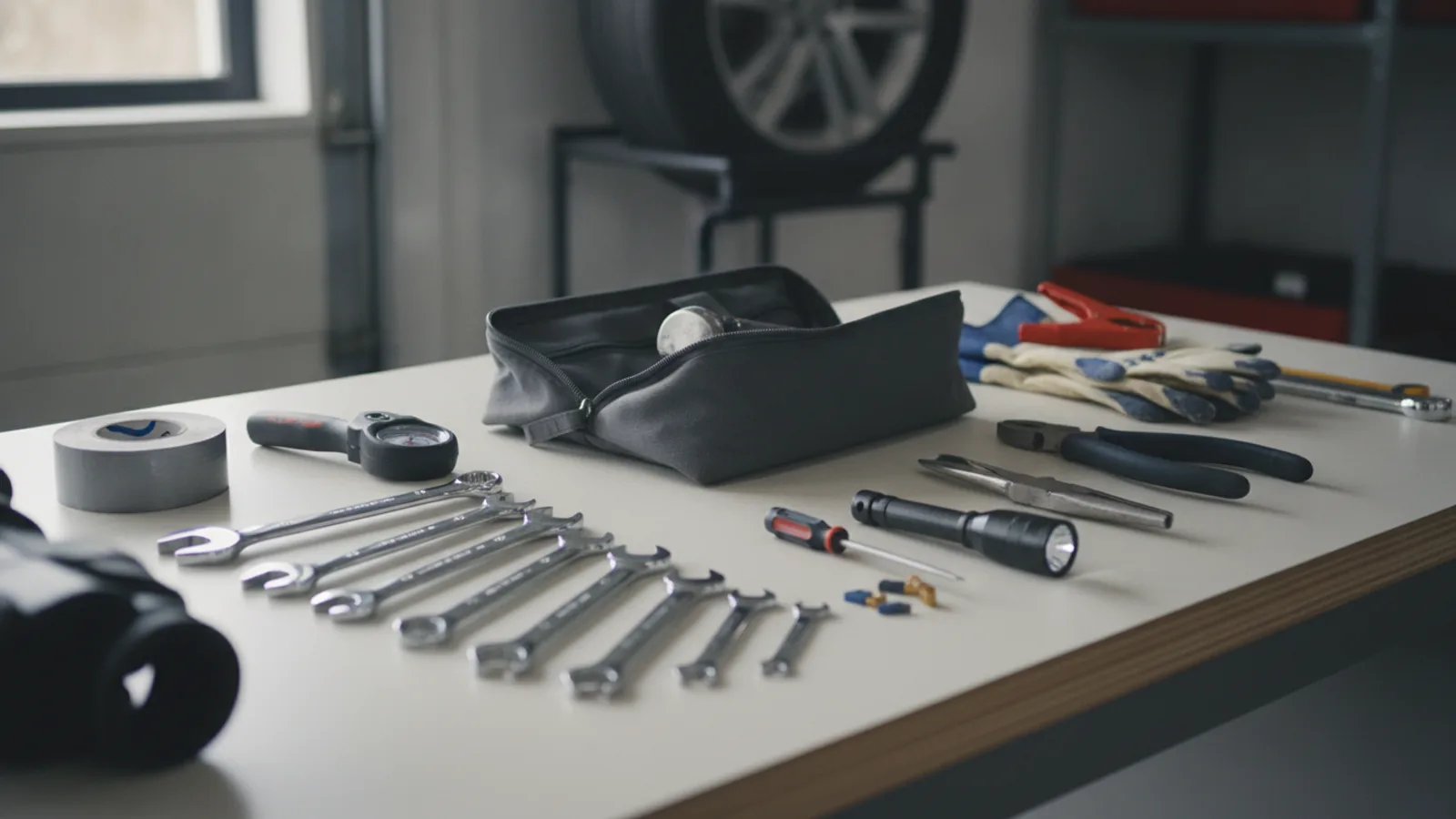
- Get a dependable tyre pressure gauge. Digital gauges are easy to read, but a traditional pencil-style gauge works fine if you know how to use it.
- Find the recommended pressure for your vehicle. Look for a sticker on the driver's side door jamb, inside the fuel filler flap, or in the owner's manual.
- Have an air source available, such as a portable compressor or a gas station air pump. Make sure you know how to operate it and have correct change or a payment method if needed.
- Keep a small notebook or a notes app on your phone to record pressure readings. Tracking trends helps you spot slow leaks and plan maintenance.
Step-by-Step Instructions
Decide on a Regular Checking Schedule
Set a recurring date to check tyre pressure. The simplest routine is to check on the first day of each month. Also, plan to check before any long journey, when you know you'll be carrying extra weight, or if you notice any handling changes. Write these dates on a calendar or set a reminder on your phone. Consistency matters because tyres naturally lose a small amount of air over time—roughly one to two pounds per square inch per month. By checking monthly, you catch slow leaks early and avoid driving on underinflated tyres. Also, remember that a change in outside temperature of about 10 degrees Celsius can alter pressure by about one pound per square inch, so adjust your routine for seasonal shifts. A regular schedule helps you act proactively rather than reacting to problems.
Gather Your Tools and Information
Ensure you have a working tyre pressure gauge. If using a pencil gauge, check that it reads correctly by comparing it with a digital gauge if possible. Have your vehicle's recommended pressure numbers written down or in your phone. These numbers may differ for front and rear tyres. Also, confirm that you have access to an air pump. If you rely on a gas station, check that it's in working order and know how to activate it. If you have a portable compressor, keep it charged or plugged in. Having all tools ready before you start makes the process quick and stress-free. If you're using an air pump that requires payment, ensure you have the correct method ready. This preparation saves time and prevents you from starting the task only to find you lack something.
Check Pressure on Cold Tyres
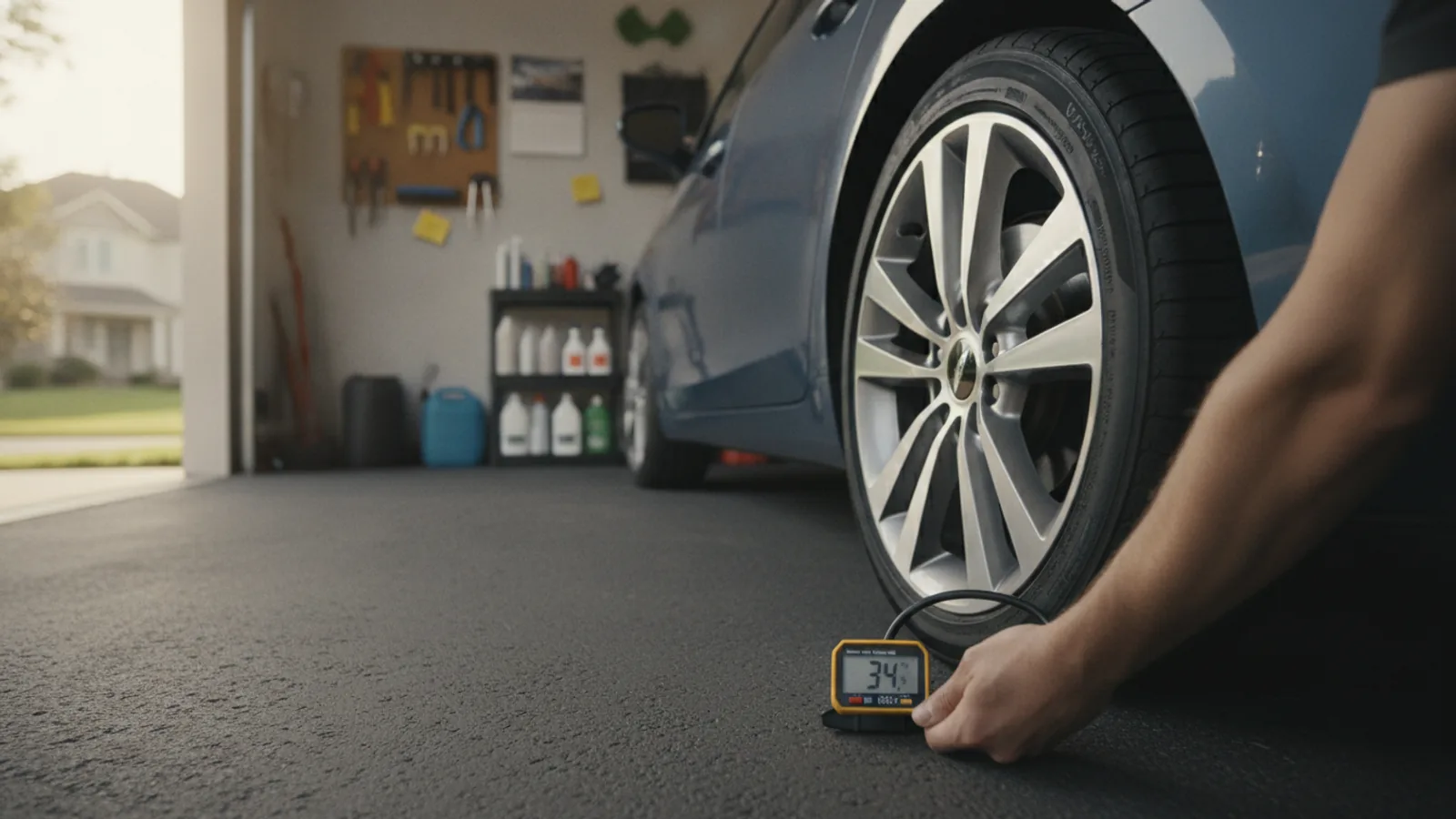
Measure tyre pressure when the tyres are cold, meaning the vehicle hasn't been driven for at least three hours or has been driven less than one point six kilometres. Morning is often the best time. Remove the valve cap, press the gauge firmly onto the valve stem, and get a reading. Record the number for each tyre. Compare it to the recommended pressure. If the reading is too low, add air until it reaches the correct level. If too high, release air by pressing the small pin in the valve centre. Do this for all four tyres, including the spare if your vehicle has one. Checking while cold gives you an accurate baseline because driving heats up the tyres and increases pressure, which would give false readings. Adjusting pressure on hot tyres can lead to underinflation when they cool down.
Adjust Pressure to the Recommended Level
If the pressure is low, fill the tyre with air until the gauge reads the recommended level. Most air pumps allow you to set a target pressure and stop automatically. When the pump stops, double-check with your gauge to confirm. If the pressure is too high, release air by pressing the valve pin gently. Make small adjustments and recheck. Ensure you're not inflating to the maximum pressure printed on the tyre sidewall—that is the maximum safe limit, not the recommended driving pressure. Use the manufacturer's recommended numbers for your vehicle, which are usually lower for normal driving. After adjusting, always reinstall the valve caps to keep dirt out. Correct pressure ensures optimal contact with the road, providing better grip and even wear. It also improves fuel economy because low pressure increases rolling resistance.
Record Readings and Monitor Trends
After checking all tyres, write down the pressure for each wheel and the date. Also note any unusual differences between tyres. Over time, these records help you spot slow leaks or consistent pressure loss. For example, if the front-left tyre always needs refilling sooner, you may have a small puncture or a leaking valve. Track the outside temperature as well. Pressure naturally drops in colder weather, so you can expect to add air more often in winter. Use your records to adjust your routine: maybe you need to check every two weeks during major seasonal changes. Monitoring trends turns tyre checking from a chore into a diagnostic tool. Early detection of a slow leak saves you from being stranded and extends tyre life.
Plan for Seasonal and Load Changes
Review and adjust your routine when the weather changes significantly or when you carry heavier loads. For example, if you often drive with passengers or a roof rack, your rear tyres may need extra pressure. Some vehicles have different pressure recommendations for different load conditions. Know what those settings are, and plan accordingly. When you anticipate a cold spell, check pressure more frequently because air contracts. In summer, hot roads can cause pressure to rise, so check after a long drive and adjust if needed. Your routine should be flexible enough to accommodate these factors. By anticipating changes, you prevent pressure-related issues before they happen. Always refer to your owner's manual for load-specific settings, and use your records to determine when to switch between normal and heavy-load pressures.
Quick Reference
| Situation | Action | Why it helps |
|---|---|---|
| You're about to travel on a long motorway trip with the car fully loaded. | Before the trip, when tyres are cold, inflate all tyres to the higher pressure recommended for heavy loads as stated in your owner's manual. Recheck with your gauge and adjust if needed. | Heavier loads increase heat and friction; proper pressure ensures tyre integrity and prevents blowouts. |
| Outside temperature drops suddenly from 20°C to 5°C. | Check tyre pressure within a day or two of the temperature drop. Add air to bring each tyre back to the recommended cold pressure. | Colder air contracts, reducing pressure by about 1 psi for every 10°C drop; maintaining recommended pressure ensures safe handling and braking. |
| Your tyre pressure warning light turns on while driving. | As soon as it's safe, pull over and visually inspect the tyres. If none appear flat, drive slowly to a nearby service station, check pressures with your gauge, and inflate to the recommended level. If a tyre is visibly deflated, replace it with your spare or call for assistance. | Ignoring the warning can lead to tyre failure and loss of control; proper inflation restores safety and prevents damage. |
Common Issues
- Tyre pressure seems to drop significantly every month.: Check the valve stem for leaks by applying soapy water—if bubbles form, tighten the valve core or replace the cap. Also, inspect the tyre for nails or cuts. If you can't find the cause, have a professional inspect it for a slow puncture.
- Your tyre pressure gauge gives inconsistent readings.: Clean the gauge's tip and test it against a known-accurate digital gauge. If it still varies, replace the gauge. Use the same gauge consistently for all checks to ensure reliable comparisons.
- During winter, you need to add air almost every week.: This is often due to colder temperatures, but it could also indicate a leak. First, ensure you're using the correct recommended pressure for winter. Then, check for leaks as described above. If frequent topping-up continues, have a tyre shop inspect the valves and seals.
Advanced Tips
- Invest in a high-quality digital gauge with a bleed button for precise adjustments. It allows you to release air without overcorrecting, giving you exact control.
- Consider using a tyre pressure monitoring system (TPMS) if your vehicle doesn't have one. They can alert you to slow pressure changes, but they don't replace manual checks.
- To save effort, keep a portable 12V air compressor in your boot. It lets you adjust pressure at any time, even in remote locations.
Final Checklist
- Set a monthly reminder to check tyre pressure when tyres are cold.
- Know your vehicle's recommended pressure and have a reliable gauge on hand.
- Record each check and note any consistent pressure changes or unusual readings.
- Adjust your routine for seasonal temperature shifts and when carrying heavier loads.
FAQ
Can I check tyre pressure when the tyres are warm?
A: It is best to check when tyres are cold because driving heats them up and increases pressure. If you must check after driving, wait at least three hours or park the car for a while. You can still get a useful reading, but add air carefully as the pressure will be lower when the tyre cools.
Where can I find the recommended tyre pressure for my car?
Look in your owner's manual, on a sticker inside the driver's door, or in the fuel cap. Sometimes it's printed on the glove box or the B-pillar. If you cannot find it, consult your vehicle's manufacturer or a trusted tyre professional.
What is the difference between the pressure on the tyre sidewall and the recommended pressure?
The number on the tyre sidewall is the maximum cold inflation pressure, which is the highest safe pressure for that tyre. The recommended pressure for your vehicle is usually lower and is designed for optimal handling, brake distance, and tyre life. Always use the vehicle's recommendation, not the tyre's maximum.